Managing Multiple Medications: A Guide to Polypharmacy
Your father takes 7 different tablets every morning. Your mother has 5 prescription bottles on her bedside table. You count them. You worry.
This is polypharmacy. It's more common than you think. Millions of Indian families face this exact situation every single day.
What Is Polypharmacy?
Simple definition: taking multiple medications regularly. Most experts use 5 or more medicines as the cutoff.
The number matters less than you'd expect. What really counts is whether each medicine is actually needed. Whether the benefits outweigh the risks. Whether the combination is safe.
The World Health Organization describes polypharmacy as the concurrent use of multiple medications. Although there is no single universal number, it is often defined in practice as the routine use of five or more medicines.
How Common Is This Problem?
In India, a 2025 community-based study across six cities found 33.7% of older adults take 5 or more medications daily, roughly 1 in 3. A systematic review and meta-analysis of 27 studies involving over 11,000 older adults reported a higher pooled prevalence of 49%. Hyperpolypharmacy (10 or more medicines) affected 31% in that review.
Globally, polypharmacy affects roughly 37–45% of older adults overall, with higher rates in many settings. In hospitalized older patients, rates frequently exceed 50% and can reach over 90% in some studies.
Why Does Polypharmacy Happen?
Multiple reasons exist. Often, they stack up over time.
Multiple chronic conditions create the foundation. Diabetes, BP, arthritis, thyroid, heart disease. Each condition needs medicine. Each specialist prescribes something different.
No single doctor oversees everything. A cardiologist prescribes heart medicine. Endocrinologist handles diabetes. Orthopedist manages arthritis pain. Nobody reviews the full picture.
Preventive prescribing plays a role. "Take this to prevent complications." Makes sense individually. But 5-6 preventive medicines add up fast.
Patient expectations matter too. "Doctor, give me something for this pain." "Can you help me sleep better?" Prescribing feels easier than lifestyle changes.
Fragmented healthcare creates problems. Different hospitals. Different pharmacies. Different records. Nobody sees the complete medication list.
The Real Risks of Managing Multiple Medications
More medicines don't always mean better health. Sometimes, they mean more problems.
Drug-Drug Interactions
When you take multiple medicines, they can interact. One medicine affects how another works. Sometimes this is intentional and helpful. Often, it's dangerous.
Studies show potential drug-drug interactions can occur in around 46% of prescriptions in some settings, with over half of affected patients experiencing them. In one large analysis, major interactions accounted for about 62.6% of the identified interactions.
A 2025 analysis of FDA Adverse Event Reporting System (FAERS) data identified 167,065 drug-interaction cases reported up to early 2024; 14,723 of these were associated with death. Among the most frequently reported medications were warfarin, aspirin, and simvastatin.
Side Effects Multiply
Each medicine has potential side effects. Take 5 medicines? You're exposed to 5 different side effect profiles.
Common problems include drowsiness and confusion. Dizziness and falls. Memory problems. Kidney or liver strain. Stomach issues. Loss of appetite.
The risk of an adverse drug reaction rises sharply with the number of medicines. One frequently cited estimate puts the risk at around 82% when a patient is taking seven or more medications.
Medication Errors Increase
More medicines equal more complexity. More complexity equals more mistakes.
Patients forget which pill is which. Take wrong doses. Skip important medicines. Double up accidentally. The cognitive load is real.
Financial Burden
Multiple medicines cost money. For Indian families already struggling with medical expenses, this adds up quickly.
Monthly costs for 5-7 chronic disease medicines can range from Rs 2,000 to Rs 10,000 or more. That's Rs 24,000 to Rs 1,20,000 annually. Significant for most families.
Signs That Medication Load May Be Too High
Watch for these red flags.
Frequent falls or dizziness, especially in elderly parents. Confusion or memory problems that are new or worsening. Multiple doctors with no coordination. Each prescribes independently.
Medication costs causing stress. Family struggling to afford all prescriptions. Side effects dismissed as "aging." "Oh, that's just old age."
Difficulty managing the routine. Missing doses, mixing up pills. No clear benefit from some medicines. "Why am I taking this again?"
If you see these signs, it's time for a medication review.
How to Safely Manage Multiple Medications
You can't always avoid polypharmacy. Chronic diseases need treatment. You can manage it safely.
For Patients and Families
Keep a complete medication list. All prescriptions. All over-the-counter medicines. All supplements and vitamins. Include dosages and timings.
Use one pharmacy if possible. Pharmacists can spot interactions. They see the full picture. If you must use multiple pharmacies, tell each one about all your medicines.
Carry your medication list everywhere. Doctor visits. Hospital visits. Emergency situations. Keep a copy in your wallet. Share with family members.
Ask about each medicine. What does this do? Why do I need it? Can we stop any of them? Is there a simpler alternative?
Watch for side effects. Track new symptoms. Report them to your doctor. Don't assume it's "just aging."
Use a pill organizer. Weekly pillboxes help. Mark days and times. Reduces confusion.
Set up reminders. Phone alarms. Apps. Family check-ins. Whatever works.
Review medicines regularly. Every 3-6 months, go through all prescriptions with your doctor. Ask: "Do I still need all of these?"
For Healthcare Providers
Regular medication reviews matter. Every visit, review the complete list. Not just what you prescribed. Everything.
Deprescribe when possible. If a medicine isn't helping or is causing problems, consider stopping it. Taper slowly. Monitor carefully.
Check for interactions. Use drug interaction checkers. Involve pharmacists. Don't prescribe in isolation.
Consider patient burden. Can this be simplified? Once-daily dosing instead of three times? Combination pills?
Communicate with other doctors. Share medication lists. Coordinate care. Avoid duplicate prescriptions.
Involve family members. Especially for elderly patients. They're often managing medicines at home.
The Role of Technology
Digital tools can help manage complex medication routines.
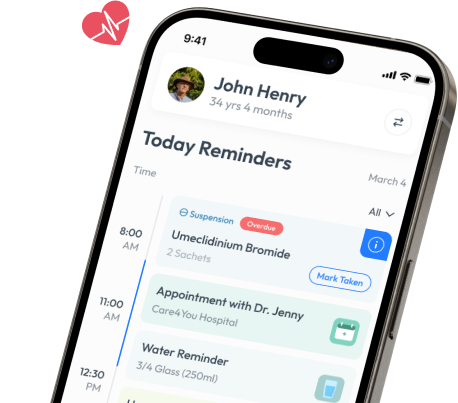
Apps track doses. Send reminders. Store medication lists. Some even check for drug interactions.
MediWatcher offers free medication reminders and dose tracking. Designed for Indian families managing multiple prescriptions. Features like family caregiver alerts help when children live in different cities but want to ensure parents take their medicines safely.
The key is choosing tools that fit your family's needs and tech comfort level.
Special Considerations for Indian Families
Generic vs brand names create confusion. Generic medicines cost less and work the same. Different brands can look different. Keep track of what each medicine looks like.
Language barriers exist. Many elderly patients don't understand English medicine names. Ask doctors to write names in Hindi or a regional language. Or use pictures.
Ayurveda and home remedies are common. Many families use both allopathic and Ayurvedic medicines. Tell your doctor about everything. Some combinations can be dangerous.
Festival and fasting periods disrupt routines. Diwali, Navratri, religious fasts. These can disrupt medicine schedules. Plan ahead with your doctor.
Joint family dynamics add complexity. Multiple generations, multiple medicine cabinets. Keep medicines separate. Label clearly. Avoid mix-ups.
When to Seek Immediate Help
Contact your doctor immediately if you notice severe allergic reactions. Rash, swelling, breathing difficulty. Extreme drowsiness or confusion. Multiple falls in a short period.
Signs of internal bleeding need attention. Black stools, unusual bruising. Severe stomach pain or vomiting. Sudden memory loss or personality changes.
These could indicate serious drug interactions or adverse reactions.
The Deprescribing Conversation
Sometimes, the best medicine is less medicine.
Deprescribing means carefully stopping medicines that are no longer needed or are causing more harm than good.
Deprescribing makes sense when a medicine was for a short-term problem that's resolved. When side effects outweigh benefits. When the patient's goals have changed. Quality of life over longevity. When too many medicines are causing problems. When the patient is near the end of life.
The process works like this. Doctor identifies medicines to potentially stop. Tapers slowly. Never stop suddenly. Monitors for withdrawal or return of symptoms. Adjusts based on patient response.
This conversation needs to happen with your doctor. Not on your own.
Creating a Safe System
Managing multiple medications isn't about perfection. It's about building systems that catch most problems most of the time.
Weekly routine works well. Sunday: fill pillbox for the week. Check which medicines are running low. Note any new symptoms or side effects.
Monthly routine helps. Review medication list with family. Check expiry dates. Update any changes from doctor visits.
Every 3-6 months: full medication review with doctor. Discuss what can be stopped or simplified. Update emergency medication list.
Small habits. Big impact.
FAQs
How many medications is too many?
Most experts consider 5 or more regular medications as polypharmacy. The number itself isn't the problem. What matters is whether each medicine is necessary and safe together. Talk to your doctor if you're taking 5 or more medicines regularly.
Can I stop some medicines on my own?
Never stop prescription medicines without talking to your doctor first. Some medicines can cause dangerous withdrawal effects if stopped suddenly. Your doctor can help you safely reduce or stop medicines that are no longer needed.
How do I keep track of all my medicines?
Keep a written list with medicine names, dosages, and when you take them. Take photos of prescription bottles. Use a pill organizer. Share this list with all your doctors and family members.
Are generic medicines safe to use?
Yes. Generic medicines contain the same active ingredients as brand-name medicines. They work the same way and are regulated by the same authorities. They cost less but are equally effective.
What if I can't afford all my medicines?
Talk to your doctor. They may be able to prescribe cheaper alternatives or reduce the number of medicines. Many pharmaceutical companies offer patient assistance programs. Your doctor knows about these options.
Conclusion
Polypharmacy isn't inherently bad. Sometimes, multiple medicines are necessary. Life-saving, even.
The goal isn't to minimize medicines at all costs. The goal is to ensure each medicine serves a purpose. Each benefit outweighs the risk. Each combination is safe.
For Indian families, this means staying organized. Staying informed. Staying involved in your parents' healthcare.
Ask questions. Keep lists. Use reminders. Review regularly.
Your family's safety depends on it.
References
World Health Organization. Medication safety in polypharmacy: technical report. Geneva: WHO; 2019.
Polypharmacy and self-medication among older adults in Indian urban communities—a cross-sectional study. Sci Rep. 2025. https://pmc.ncbi.nlm.nih.gov/articles/PMC11791031/
Bhagavathula AS, et al. Prevalence of Polypharmacy, Hyperpolypharmacy and Potentially Inappropriate Medication Use in Older Adults in India: A Systematic Review and Meta-Analysis. Front Pharmacol. 2021. https://pmc.ncbi.nlm.nih.gov/articles/PMC8173298/
Prevalence, predictors, and clinical relevance of drug–drug interactions in outpatient prescribing: A national cross-sectional study. PLOS One. 2026. https://journals.plos.org/plosone/article?id=10.1371/journal.pone.0345076
Alahmari A, et al. Drug-drug interactions: A descriptive analysis of FDA adverse event reporting system. Medicine (Baltimore). 2025. https://pubmed.ncbi.nlm.nih.gov/40988289/
This information is for educational purposes only and does not replace professional medical advice, diagnosis, or treatment. Always consult a qualified healthcare professional regarding any medical concerns.
Track Your Health with MediWatcher
Set dosage reminders, monitor vitals, log symptoms, and keep your family informed.
Download Free AppIn This Article
Track Your Health with MediWatcher
Set dosage reminders, monitor vitals, log symptoms, and keep your family informed.
Download Free AppTake control of your health today with MediWatcher.
Download now and experience the ease of managing your health.



We use cookies to improve your experience
We use cookies to personalise content and ads, to provide social media features and to analyse our traffic. We also share information about your use of our site with our advertising and analytics tools.