Weight Loss
Obesity is a multifaceted condition affecting millions worldwide, significantly increasing the risk of serious health issues like heart disease, diabetes, and certain cancers. Shedding extra pounds and maintaining a healthy weight isn't just about looking good; it's crucial for overall well-being.
Understanding Obesity
Obesity isn't just about carrying extra weight; it's a complex condition influenced by genetics, lifestyle choices, and environmental factors. Typically measured by Body Mass Index (BMI), a BMI of 30 or higher is considered obese.
Dietary Modifications
Diet is a cornerstone of any weight loss plan. But it's not just about cutting calories—it's about making healthier choices that you can stick with for the long haul.
- Balanced Diet- Adopting a balanced diet rich in whole foods, including fruits, vegetables, lean proteins, and whole grains, can promote weight loss. These foods are nutrient-dense and low in calories, helping you feel full and satisfied while reducing overall caloric intake.
- Portion Control- Portion control is crucial in preventing overeating. Using smaller plates, measuring food portions, and being mindful of serving sizes can help manage calorie consumption.
- Reducing Sugars and Refined Carbs- Cutting back on sugars and refined carbohydrates is essential. These foods can cause blood sugar spikes, increased hunger, and subsequent overeating. Opt for complex carbohydrates like whole grains, legumes, and vegetables, which provide sustained energy and help regulate appetite. Some diet plans, like keto or low-carb diets, take this a step further, emphasizing the reduction of all carbs to jump-start weight loss.
- Physical Activity- Regular physical activity is a vital component of weight loss and overall health. Exercise helps burn calories, build muscle, and boost metabolism.
- Aerobic Exercise- Aerobic exercises, such as walking, running, cycling, and swimming, are effective for burning calories. Aim for at least 150 minutes of moderate-intensity or 75 minutes of high-intensity aerobic activity per week.
- Strength Training- Incorporating strength training exercises at least twice a week can help build lean muscle mass. Muscle tissue burns more calories at rest than fat tissue, enhancing metabolic rate and aiding weight loss.
- Everyday Activities- Incorporate more movement into daily routines. Simple activities like taking the stairs, walking during breaks, and standing instead of sitting can increase daily calorie expenditure.
Behavioural Strategies
Addressing the psychological and behavioural aspects of obesity is crucial for long-term success.
- Setting Realistic Goals- Setting achievable and realistic weight loss goals is important. Aim for a gradual weight loss of 1-2 pounds per week, which is considered safe and sustainable.
- Self-Monitoring- Keeping track of food intake, physical activity, and weight can help identify patterns and areas for improvement. Use apps or journals to log daily habits.
- Support Systems- Seeking support from friends, family, or support groups can provide motivation and accountability. Professional guidance from dietitians, nutritionists, or therapists can also be beneficial.
- The Psychological Aspect- Weight loss isn't just a physical journey; it's a psychological one too. Emotional eating, body image issues, and stress can all impact weight loss efforts.
- Emotional Eating- Many people eat in response to emotions like stress, sadness, or boredom. Identifying and addressing these triggers is crucial. "Mindfulness and stress management techniques can help break the cycle of emotional eating," suggests Dr. Emily Brown.
- Body Image and Self-Esteem- Improving body image and self-esteem can be just as important as losing weight. "It's essential to focus on overall health and well-being, rather than just the number on the scale," says Dr. Brown.
Maintaining Weight Loss
Long-term weight maintenance is often more challenging than the initial weight loss. Sustainable strategies include:
- Continued Healthy Eating- Maintain a balanced diet even after reaching weight loss goals. Allow occasional indulgences but focus on overall dietary patterns.
- Regular Physical Activity- Continue regular exercise routines to maintain muscle mass and metabolic rate. Find enjoyable activities to ensure consistency.
- Monitoring and Adjusting- Regularly monitor weight and adjust dietary and physical activity habits as needed to prevent weight regain.
Consulting healthcare professionals for personalized advice and support can enhance the effectiveness of weight loss efforts. By taking a comprehensive and balanced approach, individuals with obesity can achieve and maintain a healthy weight, improving their quality of life and reducing the risk of obesity-related health complications.
This article is for educational and informational purposes only and is not intended to substitute for professional medical advice, diagnosis, or treatment. Always seek the advice of your physician or other qualified health provider with any questions you may have regarding a medical condition.
Manage Weight Loss with MediWatcher
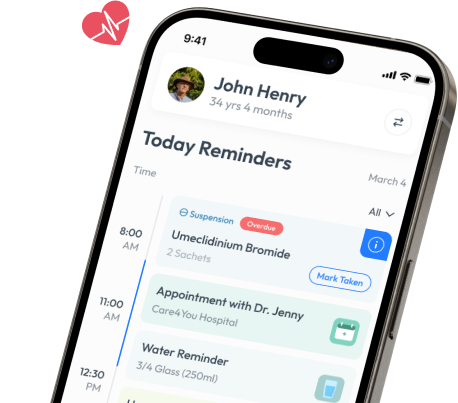
Set dosage reminders, log daily symptoms, track vitals, and share health reports with your doctor.
Download Free AppIn This Article
Manage Weight Loss with MediWatcher
Set dosage reminders, log daily symptoms, track vitals, and share health reports with your doctor.
Download Free AppHealth & Wellness Guides



Take control of your health today with MediWatcher.
Download now and experience the ease of managing your health.



We use cookies to improve your experience
We use cookies to personalise content and ads, to provide social media features and to analyse our traffic. We also share information about your use of our site with our advertising and analytics tools.