Seasonal Depression
Seasonal depression, also known as Seasonal Affective Disorder (SAD), is a type of depression that occurs during specific seasons, most commonly in the fall and winter months. The shorter daylight hours and lack of sunlight during fall and winter can disrupt your body's internal clock, which regulates mood, sleep, and hormones. This disruption often contributes to SAD.
Symptoms
Symptoms may vary depending on the individual but often include:
● Persistent low mood: Feeling sad, down, or hopeless for most of the day.
● Lack of energy: Experiencing fatigue, even after a full night's rest.
● Sleep disturbances: Sleeping too much (common in winter SAD) or having trouble sleeping (seen in spring/summer SAD).
● Changes in appetite: Craving carbohydrates and sugary foods during winter or losing appetite in other forms of SAD.
● Difficulty concentrating: Finding it hard to focus or make decisions.
● Loss of interest: A lack of enthusiasm for hobbies, socializing, or activities that once brought joy.
● Feelings of guilt or worthlessness.
For those experiencing spring or summer SAD, symptoms can sometimes include irritability, insomnia, and restlessness rather than fatigue.
Causes
The exact cause of seasonal depression isn't fully understood, but experts believe that certain factors may contribute to its development.
● Reduced sunlight exposure: During the winter months, decreased sunlight can affect the body's production of serotonin, a neurotransmitter that helps regulate mood. Lower serotonin levels are linked to depression.
● Disrupted circadian rhythm: Your internal clock, or circadian rhythm, relies on natural light to regulate sleep, mood, and energy. Darker days can throw this rhythm off, leaving you feeling unbalanced.
● Melatonin levels: Changes in light can disrupt melatonin production, a hormone that affects sleep and mood. Excess melatonin can lead to fatigue and sluggishness.
● Genetics: If depression or SAD runs in your family, you may be more prone to developing it yourself.
● Vitamin D deficiency: Sunlight helps the body produce vitamin D, which plays a role in serotonin regulation. Reduced sunlight during winter can lead to lower vitamin D levels.
Coping Strategies
If you suspect you may be experiencing seasonal depression, there are effective treatments and self-care techniques that can help.
1. Light Therapy
Light therapy, or phototherapy, is a common treatment for SAD. It involves sitting near a special light box that mimics natural sunlight for about 20–30 minutes daily. This can help regulate your circadian rhythm and boost serotonin levels. Many people notice improvement within a few weeks.
Make sure to use a 10,000-lux light box recommended for SAD, and consult a doctor before starting therapy, especially if you have conditions like eye problems or bipolar disorder.
2. Get Outside During Daylight
Even when it’s cold or cloudy, spending time outdoors can make a difference. Exposure to natural light, especially in the morning, can improve mood and reset your body’s internal clock.
Bundle up and take a short walk to enjoy the benefits.
3. Exercise Regularly
Physical activity is a proven mood booster. Exercise releases endorphins, which help combat feelings of sadness and fatigue. Activities like walking, yoga, or dancing are excellent ways to stay active without feeling overwhelmed. Aim for at least 30 minutes of movement most days of the week.
4. Prioritize Sleep
Good sleep hygiene can help counteract fatigue and improve mood. Try to go to bed and wake up at consistent times, avoid screens before bed, and create a calming night time routine. For winter SAD, avoid oversleeping as it may worsen symptoms.
5. Maintain a Balanced Diet
While it’s common to crave comfort foods during winter, try to incorporate nutrient-dense foods into your diet. Complex carbohydrates (like whole grains) and omega-3 fatty acids (found in fish, nuts, and seeds) can support brain health and mood.
If you’re prone to vitamin D deficiency, talk to your doctor about supplements.
6. Connect with Others
Social isolation can worsen feelings of depression. Make an effort to connect with friends, family, or support groups, even when you don’t feel like it. Sharing your feelings can lighten your emotional load and provide comfort.
7. Seek Professional Help
If your symptoms are severe or don’t improve with self-care strategies, consider reaching out to a mental health professional. Talk therapy, such as cognitive behavioral therapy (CBT), has been shown to be particularly effective for SAD.
In some cases, doctors may also recommend antidepressant medications to manage symptoms, especially if seasonal depression recurs each year.
This information is for educational purposes only and does not replace professional medical advice, diagnosis, or treatment. Always consult a qualified healthcare professional regarding any medical concerns.
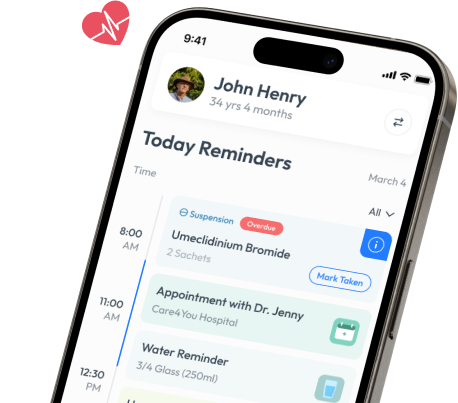
Track Your Health with MediWatcher
Set dosage reminders, monitor vitals, log symptoms, and keep your family informed.
Download Free AppIn This Article
Track Your Health with MediWatcher
Set dosage reminders, monitor vitals, log symptoms, and keep your family informed.
Download Free AppTake control of your health today with MediWatcher.
Download now and experience the ease of managing your health.



We use cookies to improve your experience
We use cookies to personalise content and ads, to provide social media features and to analyse our traffic. We also share information about your use of our site with our advertising and analytics tools.