Vertigo
What is Vertigo?
Vertigo is a sensation of feeling off-balance, where you or your surroundings seem to be spinning or moving when there is no actual movement. It is more than just dizziness; vertigo can significantly impact your daily life and make simple tasks challenging. This condition can last for seconds, minutes, or even longer periods, and it can be a symptom of various underlying health issues.
Symptoms
The primary symptom of vertigo is a spinning sensation, but it often comes with other symptoms:
- Dizziness: Feeling lightheaded or unsteady.
- Nausea and vomiting: Often accompanied by dizziness.
- Abnormal eye movements (nystagmus): Rapid, involuntary movements of the eyes.
- Sweating: Excessive perspiration due to the sensation of spinning.
- Hearing loss or ringing in the ears (tinnitus): Common in certain types of vertigo.
- Difficulty walking: Trouble maintaining balance and stability.
These symptoms can vary in intensity and duration, often depending on the underlying cause.
Causes
Vertigo can be caused by various conditions, often related to the inner ear, brain, or sensory nerve pathways.
- Benign Paroxysmal Positional Vertigo (BPPV): BPPV is the most common cause of vertigo. It occurs when tiny calcium particles (canaliths) clump up in the canals of the inner ear, disrupting the balance signals sent to the brain.
- Meniere’s Disease: This disorder of the inner ear causes episodes of vertigo, along with ringing in the ears (tinnitus) and hearing loss. It is related to a buildup of fluid in the inner ear.
- Vestibular Neuritis or Labyrinthitis: Inflammation of the inner ear or the vestibular nerve, usually caused by a viral infection, can lead to intense vertigo. Labyrinthitis also involves hearing loss, while vestibular neuritis does not.
- Migraines: Vestibular migraines can cause vertigo episodes, even without the typical headache. These episodes may last for minutes to hours and can be triggered by specific factors like stress, lack of sleep, or certain foods.
- Head or Neck Injury: Trauma to the head or neck can disrupt the inner ear's function, leading to vertigo.
- Stroke or Transient Ischemic Attack (TIA): A stroke or TIA affecting the brain areas involved in balance can cause sudden vertigo.
- Other Causes: Certain medications, vestibular disorders, or conditions like acoustic neuroma (a noncancerous growth on the vestibular nerve) can also lead to vertigo.
Diagnosis
Diagnosing vertigo typically involves a detailed medical history and physical examination. Key diagnostic tests include:
- Dix-Hallpike maneuver: This positional test helps to diagnose BPPV by reproducing vertigo symptoms.
- Head Impulse Test: This assesses the function of the inner ear's balance organs.
- Audiometry: Hearing tests can help identify related hearing loss.
- Imaging: MRI or CT scans may be used to rule out other serious conditions like stroke or tumors.
- Blood tests: These can check for infections or other underlying health issues.
Treatment and Management
Treatment for vertigo can include:
- Medications:
Antihistamines and anticholinergics can help relieve symptoms.
Benzodiazepines may be prescribed for severe symptoms, but they are used with caution due to potential side effects.
Anti-nausea medications can help with associated nausea and vomiting.
- Vestibular Rehabilitation:
This type of physical therapy aims to strengthen the vestibular system. It involves exercises to help the brain adapt to the inner ear signals and maintain balance.
- Canalith Repositioning Maneuvers:
Specific head and body movements, such as the Epley maneuver, can help move or dislodge the calcium particles out of the inner ear canals in cases of BPPV.
- Lifestyle Changes:
Reducing salt intake can help manage Meniere’s disease. Avoiding triggers like caffeine, alcohol, and stress can reduce vertigo episodes.
- Surgery:
In rare cases, surgical intervention may be required for severe or persistent vertigo not responsive to other treatments. Procedures like labyrinthectomy or vestibular nerve section can help.
Living with Vertigo
Living with vertigo can be challenging, but several strategies can help manage and reduce its impact:
- Home Safety: Ensure your home is safe and free of hazards to prevent falls. Use handrails and keep floors clear of clutter.
- Slow Movements: Avoid sudden head movements and change positions slowly to prevent triggering vertigo.
- Stay Hydrated: Dehydration can worsen symptoms, so drink plenty of fluids.
- Rest: Get adequate rest and manage stress to prevent exacerbating vertigo.
When to Seek Medical Help
Seek medical attention if you experience:
- Sudden, severe vertigo with other symptoms like headache, weakness, or vision changes.
- Persistent vertigo lasting more than a few days.
- Hearing loss or severe ringing in the ears.
- Signs of a stroke, such as slurred speech, facial drooping, or difficulty walking.
This article is for educational and informational purposes only and is not intended to substitute for professional medical advice, diagnosis, or treatment. Always seek the advice of your physician or other qualified health provider with any questions you may have regarding a medical condition.
Manage Vertigo with MediWatcher
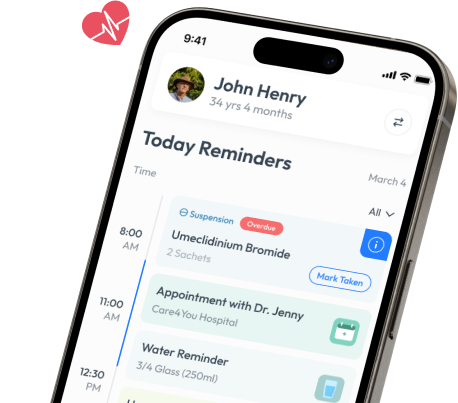
Set dosage reminders, log daily symptoms, track vitals, and share health reports with your doctor.
Download Free AppIn This Article
Manage Vertigo with MediWatcher
Set dosage reminders, log daily symptoms, track vitals, and share health reports with your doctor.
Download Free AppHealth & Wellness Guides



Take control of your health today with MediWatcher.
Download now and experience the ease of managing your health.



We use cookies to improve your experience
We use cookies to personalise content and ads, to provide social media features and to analyse our traffic. We also share information about your use of our site with our advertising and analytics tools.