Urinary Incontinence
Urinary incontinence, the involuntary leakage of urine, affects millions of people worldwide. Though often associated with aging, it can impact individuals of all ages. This common yet under-discussed condition can significantly affect one's quality of life.
What is Urinary Incontinence?
Urinary incontinence occurs when the control over the urinary sphincter is weakened or lost, leading to unintentional urine leakage. The severity can range from occasional leaks when coughing or sneezing to a sudden, strong urge to urinate that doesn't allow time to reach a restroom.
Types
- Stress Incontinence: This type is characterized by urine leakage during physical activities that increase abdominal pressure, such as coughing, sneezing, laughing, or exercising. It is more common in women, particularly after childbirth or menopause, due to weakened pelvic floor muscles.
- Urge Incontinence: Also known as overactive bladder, urge incontinence involves a sudden, intense urge to urinate followed by involuntary urine loss. It can be caused by infections, neurological disorders, or conditions like diabetes.
- Overflow Incontinence: This occurs when the bladder doesn't empty completely, leading to frequent dribbling of urine. It can be due to a blocked urethra, weak bladder muscles, or nerve damage from conditions like multiple sclerosis or diabetes.
- Functional Incontinence: Functional incontinence is not caused by urinary system problems but by physical or mental impairments that prevent reaching the bathroom in time. For example, severe arthritis or Alzheimer's disease can contribute to this type.
- Mixed Incontinence: As the name suggests, mixed incontinence is a combination of two or more types, usually stress and urge incontinence.
Causes
Common causes include:
- The pressure of the growing fetus and the strain of childbirth can weaken pelvic floor muscles and damage nerves controlling the bladder.
- The bladder muscle can weaken with age, and the bladder's capacity to hold urine can decrease, leading to incontinence.
- Decreased estrogen levels can lead to the loss of tone in muscles and tissue, increasing the risk of incontinence in women.
- In men, an enlarged prostate or prostate surgery can cause stress or urge incontinence.
- Conditions like Parkinson's disease, multiple sclerosis, and stroke can interfere with nerve signals involved in bladder control.
- Excess weight increases abdominal pressure on the bladder, weakening the pelvic floor muscles.
Diagnosis and When to Seek Help
If you experience urinary incontinence, it is important to consult a healthcare provider. The diagnostic process may include:
- Your doctor will review your symptoms, medical history, and conduct a physical exam to identify any underlying conditions.
- Urinalysis checks for signs of infection, blood, or other abnormalities in the urine.
- Keeping a record of your fluid intake, urination times, and episodes of incontinence can help identify patterns and triggers.
- Post Void Residual Measurement measures the amount of urine left in the bladder after urination, indicating how well the bladder empties.
- Urodynamic Testing assesses how well the bladder and urethra store and release urine.
Treatment Options
Treatment for urinary incontinence depends on the type, severity, and underlying cause.
Behavioral Therapies
- Pelvic Floor Exercises (Kegels): Strengthening the pelvic floor muscles can help control urine leakage, particularly for stress incontinence.
- Bladder Training: Gradually increasing the time between bathroom visits can help train the bladder to hold more urine and reduce urgency.
Medications
- Anticholinergics: These medications help calm an overactive bladder and reduce urge incontinence.
- Topical Estrogen: Applying estrogen cream can help strengthen by improving tone of the urethral tissue in postmenopausal women.
Medical Devices and Surgery
- Pessary: A vaginal insert that supports the bladder and urethra, often used for stress incontinence.
- Urethral Inserts and Patches: Devices that can help prevent urine leakage during activities.
- Sling Procedures: A surgical option that involves placing a mesh sling around the urethra to provide support.
- Botox Injections: Injections into the bladder muscle can help reduce overactivity.
Lifestyle Modifications
- Reducing caffeine, alcohol, and spicy foods can minimize bladder irritation.
- Losing excess weight can reduce abdominal pressure on the bladder.
- Monitoring fluid intake to avoid excessive bladder filling can help manage symptoms.
Living with Urinary Incontinence
While urinary incontinence can be challenging, many people manage it successfully with the right combination of treatments and lifestyle changes. It's important to seek medical advice early to find the most effective solutions and improve your quality of life. By understanding the condition and exploring the various treatment options, you can take control and find relief from this common yet often misunderstood issue.
This article is for educational and informational purposes only and is not intended to substitute for professional medical advice, diagnosis, or treatment. Always seek the advice of your physician or other qualified health provider with any questions you may have regarding a medical condition.
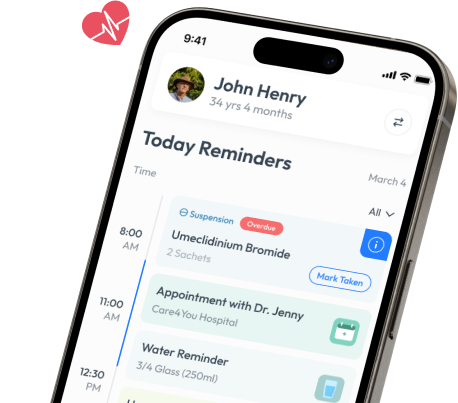
Manage Urinary Incontinence with MediWatcher
Set dosage reminders, log daily symptoms, track vitals, and share health reports with your doctor.
Download Free AppIn This Article
Manage Urinary Incontinence with MediWatcher
Set dosage reminders, log daily symptoms, track vitals, and share health reports with your doctor.
Download Free AppHealth & Wellness Guides



Take control of your health today with MediWatcher.
Download now and experience the ease of managing your health.



We use cookies to improve your experience
We use cookies to personalise content and ads, to provide social media features and to analyse our traffic. We also share information about your use of our site with our advertising and analytics tools.