Stroke
A stroke, also known as a cerebrovascular accident (CVA), occurs when blood flow to a part of the brain is interrupted or reduced, preventing brain tissue from getting oxygen and nutrients. There are two main types of strokes: ischemic and hemorrhagic.
- Ischemic Stroke: This is the most common type, accounting for about 87% of all strokes. It occurs when a blood clot blocks or narrows an artery leading to the brain. These clots can form in the brain’s arteries (thrombotic stroke) or travel from another part of the body (embolic stroke).
- Hemorrhagic Stroke: This type occurs when a blood vessel in the brain bursts, leading to bleeding (hemorrhage) in or around the brain. Hemorrhagic strokes can result from conditions such as high blood pressure, aneurysms, arteriovenous malformations (AVMs), or trauma.
Transient Ischemic Attack (TIA)
A transient ischemic attack (TIA), often called a mini-stroke, is a temporary period of symptoms similar to those of a stroke. A TIA doesn’t cause permanent damage and is often a warning sign of a future stroke. It occurs when a blood clot temporarily blocks blood flow to the brain.
Recognizing the Symptoms
The acronym FAST can help you remember the key signs of a stroke:
F - Face: Is one side of the face drooping or numb? Ask the person to smile, and see if the smile is uneven.
A - Arms: Is one arm weak or numb? Ask the person to raise both arms. Does one arm drift downward?
S - Speech: Is speech slurred or hard to understand? Ask the person to repeat a simple sentence. Is the sentence repeated correctly?
T - Time: If someone shows any of these symptoms, even if they go away, it’s time to call emergency services immediately.
Other symptoms can include sudden confusion, trouble seeing in one or both eyes, difficulty walking, dizziness, loss of balance or coordination, and a severe headache with no known cause.
Risk Factor
Non-modifiable Risk Factors:
- Age: The risk of stroke increases with age, particularly after 55.
- Gender: Men have a higher risk of stroke than women, but women are more likely to die from a stroke.
- Race and Ethnicity: African Americans have a higher risk of stroke than people of other races.
- Family History: A family history of stroke increases the risk.
Modifiable Risk Factors:
- High Blood Pressure: The most significant risk factor for stroke. Controlling blood pressure is crucial.
- Smoking: Increases the risk of stroke by damaging blood vessels and increasing blood pressure.
- Diabetes: Increases the risk of stroke due to the impact on blood vessels.
- High Cholesterol: Can lead to plaque buildup in arteries, increasing the risk of stroke.
- Obesity and Physical Inactivity: Increases the risk of high blood pressure, diabetes, and stroke.
- Heart Disease: Conditions such as atrial fibrillation and heart failure increase stroke risk.
- Diet: A diet high in saturated fat, trans fat, and cholesterol can increase stroke risk.
Prevention
Here are some preventive measures:
- Regularly monitor and manage blood pressure.
- Eat a diet rich in fruits, vegetables, whole grains, and lean proteins. Limit saturated fats, trans fats, cholesterol, salt, and added sugars.
- Exercise Regularly. Aim for at least 150 minutes of moderate-intensity aerobic activity each week.
- Keep blood sugar levels under control.
- If you smoke, quit. If you don’t smoke, don’t start.
- Drink in moderation, if at all.
- Achieve and maintain a healthy body weight.
- Practice stress-reducing techniques such as mindfulness, meditation, and yoga.
Treatment and Recovery
Immediate treatment for a stroke can save lives and improve recovery outcomes. Treatment varies depending on the type of stroke.
Ischemic Stroke Treatment:
- Clot-Busting Drugs: Tissue plasminogen activator (tPA) can dissolve clots and restore blood flow if administered within 4.5 hours of symptom onset.
- Mechanical Thrombectomy: A procedure where doctors use a device to remove the clot from the blocked artery.
Hemorrhagic Stroke Treatment:
- Medication: To reduce pressure in the brain and control blood pressure.
- Surgery: To repair damaged blood vessels and stop bleeding.
- Recovery: Rehabilitation is often necessary to regain lost skills and can include physical therapy, occupational therapy, speech therapy, and support from mental health professionals. Recovery can be a long process, but with the right care and support, many people can lead a full life after a stroke.
This article is for educational and informational purposes only and is not intended to substitute for professional medical advice, diagnosis, or treatment. Always seek the advice of your physician or other qualified health provider with any questions you may have regarding a medical condition.
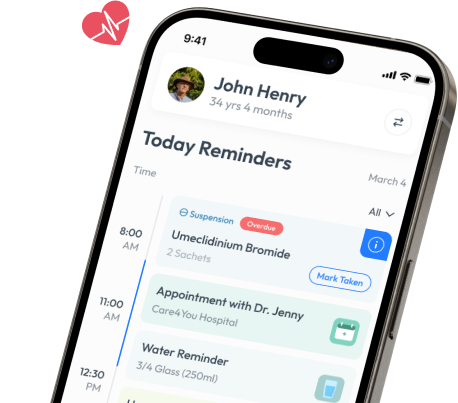
Manage Stroke with MediWatcher
Set dosage reminders, log daily symptoms, track vitals, and share health reports with your doctor.
Download Free AppIn This Article
Manage Stroke with MediWatcher
Set dosage reminders, log daily symptoms, track vitals, and share health reports with your doctor.
Download Free AppHealth & Wellness Guides


Take control of your health today with MediWatcher.
Download now and experience the ease of managing your health.


We use cookies to improve your experience
We use cookies to personalise content and ads, to provide social media features and to analyse our traffic. We also share information about your use of our site with our advertising and analytics tools.