Probiotics
Probiotics are live microorganisms, often referred to as "good" bacteria, that provide health benefits when consumed in appropriate amounts. The term "probiotic" comes from the Greek words "pro," meaning "for," and "biotic," meaning "life." Essentially, these beneficial microbes can help maintain a balance of bacteria in your body, particularly in the digestive system.
How Do Probiotics Work?
The primary function of probiotics is to restore and maintain the natural balance of bacteria in your gut. Various factors, such as poor diet, stress, illness, or the use of antibiotics, can disrupt this balance. When this happens, harmful bacteria may thrive, leading to digestive issues like bloating, gas, and diarrhea.
Probiotics, when taken as part of your diet or through supplements, introduce beneficial bacteria into your system, helping to crowd out harmful bacteria and restore balance. They can also support the gut lining, boost immune function, and even produce vitamins like vitamin K and certain B vitamins.
Types
There are many types of probiotics, but the two most common groups are Lactobacillus and Bifidobacterium.
- Lactobacillus: This group is found in fermented foods like yogurt, kefir, and sauerkraut. Some strains, such as Lactobacillus acidophilus, may help with lactose intolerance, while others can aid in digestion and prevent diarrhea.
- Bifidobacterium: These bacteria are found in some dairy products and have been shown to reduce symptoms of irritable bowel syndrome (IBS) and improve overall gut health.
You may also hear about yeast-based probiotics like Saccharomyces boulardii, which are often recommended to treat diarrhea caused by antibiotics or traveler’s diarrhea.
Potential Health Benefits
Here’s what science says about some of the key potential advantages of probiotics:
- Research has shown that probiotics can be helpful in treating common digestive issues like bloating, gas, constipation, and diarrhea. They are also used to manage conditions like IBS and inflammatory bowel disease (IBD).
- Some studies suggest that probiotics can stimulate the production of immune cells, helping your body fight off infections. Certain strains have been shown to reduce the severity and frequency of colds and respiratory infections.
- Probiotics have been shown to reduce the risk of developing diarrhea due to the use of antibiotics.
- Some studies have found that taking probiotics may reduce symptoms of anxiety, depression, and stress.
- Certain probiotics may help lower blood pressure and cholesterol levels, reducing the risk of heart disease.
- There’s emerging research that suggests probiotics might help with certain skin conditions like acne, eczema, and rosacea. The idea is that a balanced gut microbiome can reduce inflammation, which plays a role in these conditions.
Do You Need Probiotics?
While the benefits of probiotics are promising, it’s important to understand that not everyone needs to take them. In many cases, a healthy diet rich in fiber, fruits, vegetables, and fermented foods can provide enough probiotics to support a balanced gut microbiome.
However, if you frequently experience digestive discomfort, have taken antibiotics recently, or have certain health conditions like IBS, you might benefit from adding a probiotic supplement to your routine. It's always a good idea to consult with a healthcare provider before starting any new supplement, especially if you have underlying health issues.
Choosing the Right Probiotic
Not all probiotics are the same, and different strains serve different purposes. Here are a few tips to help you choose a quality product:
- Look for the strain: Make sure the probiotic lists the strain of bacteria, such as Lactobacillus acidophilus or Bifidobacterium bifidum, and check if that strain has been studied for the specific benefit you’re looking for.
- Check the CFUs: Colony-forming units (CFUs) indicate the number of live bacteria in each dose. A supplement with at least 1 billion CFUs is typically recommended.
- Choose a trusted brand: Probiotics aren’t regulated by the FDA, so it’s important to choose a brand that undergoes third-party testing to ensure quality and potency.
Are There Any Side Effects?
Most people can take probiotics without any issues, but some may experience mild side effects like bloating, gas, or an upset stomach when they first start. These symptoms usually subside after a few days as your body adjusts to the new bacteria. However, if you have a compromised immune system or serious health conditions, you should talk to your doctor before taking probiotics.
This article is for educational and informational purposes only and is not intended to substitute for professional medical advice, diagnosis, or treatment. Always seek the advice of your physician or other qualified health provider with any questions you may have regarding a medical condition.
Manage Probiotics with MediWatcher
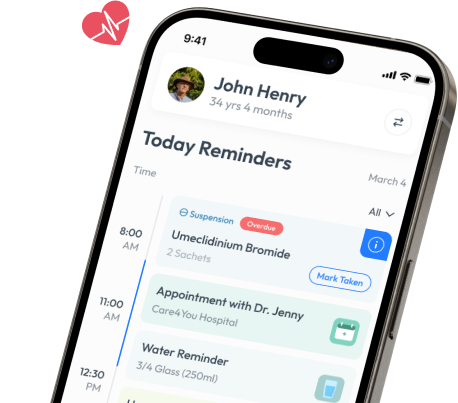
Set dosage reminders, log daily symptoms, track vitals, and share health reports with your doctor.
Download Free AppIn This Article
Manage Probiotics with MediWatcher
Set dosage reminders, log daily symptoms, track vitals, and share health reports with your doctor.
Download Free AppHealth & Wellness Guides



Take control of your health today with MediWatcher.
Download now and experience the ease of managing your health.



We use cookies to improve your experience
We use cookies to personalise content and ads, to provide social media features and to analyse our traffic. We also share information about your use of our site with our advertising and analytics tools.