Pneumonia
Pneumonia is a serious lung infection that occurs when the air sacs in one or both lungs become inflamed and fill with fluid or pus, making it difficult to breathe.
Pneumonia can be categorized based on the cause of infection:
- Bacterial pneumonia: The most common form, typically caused by Streptococcus pneumoniae bacteria.
- Viral pneumonia: Often caused by respiratory viruses like the flu (influenza) or the respiratory syncytial virus (RSV).
- Fungal pneumonia: More common in people with weakened immune systems, caused by fungi found in soil or bird droppings.
- Aspiration pneumonia: Caused by inhaling food, liquid, or vomit into the lungs, leading to an infection.
Common Symptoms
Pneumonia symptoms can vary depending on the type of infection and the individual’s age and health status.
- Cough, often producing phlegm (mucus) that may be green, yellow, or tinged with blood.
- Fever, usually accompanied by chills or sweating.
- Shortness of breath or a rapid, shallow breathing pattern.
- Sharp or stabbing chest pain that worsens when you cough or breathe deeply.
- Feeling tired or weak, which can make it hard to carry out daily tasks.
- Nausea or vomiting, particularly for children.
- Older adults may experience mental confusion, often as the first noticeable symptom of pneumonia.
Risk Factors
High risk groups include:
- Infants and young children: Their immune systems are not fully developed, making them more susceptible.
- Older adults: As people age, their immune response weakens, making them more vulnerable to infections like pneumonia.
- People with chronic illnesses: Conditions such as asthma, heart disease, diabetes, or chronic obstructive pulmonary disease (COPD) can increase the risk.
- Smokers: Smoking damages the lungs and weakens the body’s natural defense mechanisms.
- Weakened immune systems: People with HIV/AIDS, cancer, or those on immune-suppressing medications are at higher risk of pneumonia.
Diagnosis
The doctor will start by asking about your symptoms and conducting a physical exam, during which they’ll listen to your lungs for abnormal sounds like crackling or wheezing.
To confirm the diagnosis, your doctor may order tests such as:
- Chest X-ray: Helps visualize the extent of the infection and determine whether one or both lungs are affected.
- Blood tests: Detects signs of infection and help identify the type of microorganism causing pneumonia.
- Sputum test: A sample of mucus (sputum) coughed up from your lungs can be analyzed to determine the type of germ causing the infection.
- Pulse oximetry: Measures the oxygen levels in your blood, which may be lower if you have pneumonia.
- CT scan: Used in severe or complicated cases to get a more detailed image.
Treatment Options
The treatment for pneumonia depends on the severity of the infection and the underlying cause.
- Bacterial pneumonia: Antibiotics are the primary treatment for bacterial pneumonia. Your doctor will prescribe an antibiotic that targets the specific bacteria causing the infection. It’s important to complete the full course of antibiotics, even if you start feeling better before finishing the medication.
- Viral pneumonia: Antibiotics won’t work for viral infections. Instead, treatment focuses on managing symptoms. This may include antiviral medications, rest, fluids, and over-the-counter medications to reduce fever and ease discomfort.
- Fungal pneumonia: Antifungal medications are prescribed to treat fungal infections in the lungs.
- Hospital care: In severe cases, such as when the patient has difficulty breathing or low oxygen levels, hospitalization may be required. Treatment might include oxygen therapy, intravenous (IV) fluids, and mechanical ventilation in critical cases.
Home Care and Recovery
Here are some tips to help speed up recovery:
- Your body needs time to fight the infection, so make sure you get plenty of rest.
- Drinking fluids helps thin mucus, making it easier to expel.
- Manage fever and pain with over-the-counter medications.
- Smoking can irritate your lungs, and alcohol can interfere with your immune system so avoid them.
- Make sure to attend any follow-up appointments to ensure the infection is clearing up.
Prevention
Here are ways to reduce your risk of infection:
- Vaccines are available to protect against some types of pneumonia, including the pneumococcal and flu vaccines.
- Wash your hands regularly to reduce the spread of germs, and avoid close contact with sick people.
- Maintaining a healthy diet, regular exercise, and quitting smoking can strengthen your immune system and reduce the risk of pneumonia.
When to Seek Medical Help
If you or a loved one is experiencing symptoms of pneumonia, such as difficulty breathing, chest pain, high fever, or confusion, it’s important to seek medical attention promptly. Early treatment can help prevent complications, especially in high-risk individuals like the elderly or those with weakened immune systems.
This article is for educational and informational purposes only and is not intended to substitute for professional medical advice, diagnosis, or treatment. Always seek the advice of your physician or other qualified health provider with any questions you may have regarding a medical condition.
Manage Pneumonia with MediWatcher
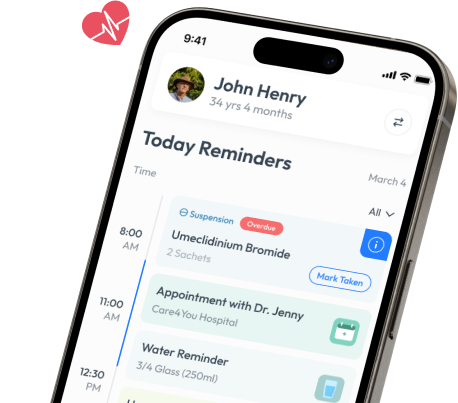
Set dosage reminders, log daily symptoms, track vitals, and share health reports with your doctor.
Download Free AppIn This Article
Manage Pneumonia with MediWatcher
Set dosage reminders, log daily symptoms, track vitals, and share health reports with your doctor.
Download Free AppHealth & Wellness Guides


Take control of your health today with MediWatcher.
Download now and experience the ease of managing your health.



We use cookies to improve your experience
We use cookies to personalise content and ads, to provide social media features and to analyse our traffic. We also share information about your use of our site with our advertising and analytics tools.