Muscle Aches
Muscle aches, also known as myalgia, are a common complaint affecting people of all ages. They refer to discomfort or pain in the muscles, ranging from mild soreness to sharp, intense pain. These aches can affect a single muscle, a group of muscles, or the entire body. They are often temporary but can sometimes indicate an underlying condition.
Common Causes
Muscle aches can be caused by a variety of factors:
- Exercise or Overuse: Physical activity, especially if it’s new or intense, can lead to delayed-onset muscle soreness (DOMS). This occurs when small tears form in the muscle fibers during exercise, causing soreness as they heal.
- Stress and Tension: Emotional stress can cause your body to tense up, leading to muscle tightness and discomfort, particularly in the shoulders, neck, and back.
- Injuries: Sprains, strains, or muscle pulls can result in localized muscle pain. These injuries may happen during physical activities or due to sudden, awkward movements.
- Illnesses or Infections: Viral infections like the flu or COVID-19 often come with body aches as a symptom. Chronic conditions, such as fibromyalgia, can also cause persistent muscle pain.
- Dehydration: Muscles require proper hydration to function well. Lack of water and electrolytes can lead to cramps and soreness.
- Medication Side Effects: Some medications, like statins (used for lowering cholesterol), may cause muscle pain as a side effect.
When Should You See a Doctor?
While most muscle aches are harmless and resolve on their own, certain symptoms warrant medical attention. Contact a healthcare professional if you experience:
- Severe pain that doesn’t improve with rest or self-care.
- Swelling, redness, or signs of infection in the affected area.
- Weakness or difficulty using the muscle.
- Muscle pain accompanied by fever or other unexplained symptoms.
Managing Muscle Aches at Home
In most cases, muscle aches can be managed effectively with simple home remedies. Here’s what you can do:
- Rest and Recovery: Give your body time to heal by avoiding strenuous activities. This is especially important if the ache is caused by overuse or an injury.
- Apply Heat or Cold: Use a heating pad or warm towel to relax tight muscles. If there’s swelling, applying a cold compress or ice pack can help reduce inflammation.
- Stretching and Gentle Movement: Light stretches or activities like yoga can relieve muscle tension and improve flexibility. However, avoid overstretching, as it may worsen the pain.
- Stay Hydrated: Drink plenty of water and consider adding electrolytes if you’ve been sweating excessively. This is particularly helpful for preventing muscle cramps.
- Over-the-Counter Pain Relievers: Nonsteroidal anti-inflammatory drugs (NSAIDs), like ibuprofen, can reduce inflammation and pain. Follow the dosage instructions and consult a doctor if you’re unsure.
- Massage Therapy: Massaging the affected area can improve blood flow and ease soreness. You can use your hands, a foam roller, or seek professional help for deeper relief.
Prevention
While it’s impossible to avoid muscle aches entirely, taking preventive measures can reduce their frequency and severity. Here are some tips:
- Warm Up Before Exercise: Prepare your muscles for activity with a proper warm-up routine. This increases blood flow and reduces the risk of injury.
- Gradually Increase Intensity: Avoid jumping into intense workouts too quickly. Gradually build your strength and endurance to give your muscles time to adapt.
- Maintain Good Posture: Poor posture can strain your muscles, especially if you spend long hours sitting at a desk. Keep your back straight and take regular breaks to stretch.
- Stay Active: Regular physical activity helps keep muscles strong and flexible. Balance your routine with strength training, cardio, and stretching exercises.
- Eat a Balanced Diet: A diet rich in protein, vitamins, and minerals supports muscle health. Include foods like lean meats, fish, nuts, and leafy greens in your meals.
- Manage Stress: Practice relaxation techniques, such as deep breathing, meditation, or yoga, to keep stress levels in check and prevent muscle tension.
The Role of Sleep in Muscle Recovery
Quality sleep is essential for muscle repair and recovery. During sleep, your body releases growth hormones that help rebuild damaged tissues. Aim for 7–9 hours of uninterrupted sleep each night, and create a bedtime routine to promote relaxation.
When Muscle Pain Becomes Chronic
If muscle aches persist for weeks or months, they may be a sign of a chronic condition like fibromyalgia, myofascial pain syndrome, or arthritis. These conditions require medical evaluation and a tailored treatment plan. Don’t hesitate to seek help if you’re struggling with ongoing pain.
This article is for educational and informational purposes only and is not intended to substitute for professional medical advice, diagnosis, or treatment. Always seek the advice of your physician or other qualified health provider with any questions you may have regarding a medical condition.
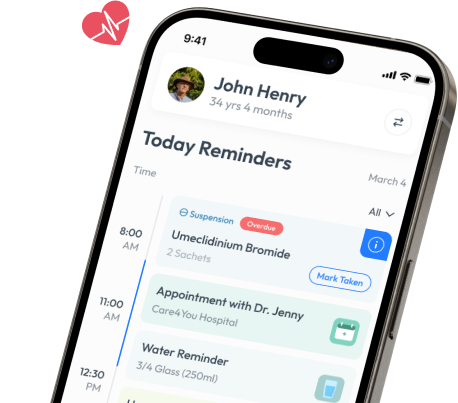
Manage Muscle Aches with MediWatcher
Set dosage reminders, log daily symptoms, track vitals, and share health reports with your doctor.
Download Free AppIn This Article
Manage Muscle Aches with MediWatcher
Set dosage reminders, log daily symptoms, track vitals, and share health reports with your doctor.
Download Free AppHealth & Wellness Guides



Take control of your health today with MediWatcher.
Download now and experience the ease of managing your health.



We use cookies to improve your experience
We use cookies to personalise content and ads, to provide social media features and to analyse our traffic. We also share information about your use of our site with our advertising and analytics tools.