Migraine
A migraine is a type of headache disorder characterized by recurrent attacks of moderate to severe pain. They are a neurological condition that can cause intense, throbbing pain, often accompanied by nausea, sensitivity to light and sound, and visual disturbances.
Unlike a typical headache, migraines often come with additional symptoms that can last from a few hours to several days. While they affect individuals differently, migraines commonly occur in four stages:
- Prodrome: This is the warning phase, which may happen a day or two before the headache. Symptoms include mood changes, food cravings, neck stiffness, and fatigue.
- Aura: About 20–30% of people with migraines experience an aura. This is a temporary set of symptoms, like visual disturbances, tingling sensations, or trouble speaking.
- Headache: This phase involves the actual migraine attack, characterized by throbbing pain on one side of the head (sometimes both). Sensitivity to light, sound, or smells often accompanies it.
- Postdrome: After the headache subsides, some people feel drained or confused for a day or so, while others may feel unusually refreshed.
Common Symptoms
Migraines don’t look the same for everyone. However, common symptoms include:
- Severe head pain, often localized on one side
- Sensitivity to stimuli like light, sound, or smells
- Nausea and vomiting
- Visual disturbances, such as flashes of light, zigzag lines, or temporary vision loss
- Fatigue and difficulty concentrating, even after the pain subsides
If these symptoms are familiar, tracking them in a diary can help identify triggers and patterns.
Causes
The exact cause of migraines isn’t fully understood, but research suggests it involves changes in the brain’s chemical balance and blood flow. Several factors can trigger a migraine, including:
- Hormonal changes: Many women experience migraines due to fluctuations in estrogen, particularly during menstruation or pregnancy.
- Dietary factors: Certain foods and drinks, like aged cheese, processed meats, caffeine, or alcohol, can trigger migraines in some individuals.
- Stress: Emotional or physical stress is a common trigger.
- Sleep patterns: Too much or too little sleep can lead to migraines.
- Environmental factors: Bright lights, loud noises, or changes in weather can also be culprits.
- Genetics: Migraines often run in families, suggesting a genetic predisposition.
Diagnosing Migraines
There’s no single test to diagnose migraines. Instead, healthcare professionals typically rely on a thorough history of symptoms and physical exams. Keeping a symptom diary detailing the frequency, duration, and triggers of your migraines can be invaluable. If migraines are suspected, your doctor might also perform imaging tests, like an MRI or CT scan, to rule out other conditions.
Treatment Options
While migraines can’t always be cured, they can often be managed effectively with a combination of medications and lifestyle changes.
Medications
- Acute treatments: These aim to stop a migraine once it starts. Over-the-counter pain relievers can help mild migraines. For more severe cases, prescription medications may be recommended.
- Preventive treatments: These are taken regularly to reduce the frequency or severity of migraines. Options include beta-blockers, anti-seizure drugs, antidepressants, and newer treatments like CGRP inhibitors.
Lifestyle Modifications
- Identify triggers: Keeping a migraine diary can help pinpoint specific triggers and avoid them.
- Stick to a routine: Regular sleep, meals, and hydration can help stabilize your body and reduce the likelihood of migraines.
- Manage stress: Practices like yoga, meditation, or deep breathing exercises can help minimize stress-induced migraines.
- Exercise regularly: Moderate exercise has been shown to lower migraine frequency in some individuals.
Alternative and Complementary Therapies
Many people find relief through non-medical approaches.
- Acupuncture: This traditional Chinese practice has been shown to reduce the frequency and severity of migraines in some studies.
- Herbal supplements: Magnesium, riboflavin (vitamin B2), and feverfew are supplements that may help prevent migraines. Always consult with a healthcare provider before starting any supplement.
- Biofeedback: This technique involves learning to control certain physiological functions, like heart rate or muscle tension, to manage pain.
- Cognitive-behavioral therapy (CBT): This form of talk therapy can help individuals manage stress and cope with chronic migraines.
When to Seek Medical Help
Migraines can significantly impact quality of life. Seek medical advice if:
- You experience migraines more than a few times a month.
- The pain is so severe that it interferes with daily activities.
- Over-the-counter medications don’t provide relief.
- You notice changes in your symptoms, such as a different type of headache or neurological symptoms like confusion or speech difficulties.
In rare cases, migraines can mimic more serious conditions, such as a stroke. If you experience sudden, intense headaches accompanied by vision loss, weakness, or confusion, seek emergency care immediately.
This article is for educational and informational purposes only and is not intended to substitute for professional medical advice, diagnosis, or treatment. Always seek the advice of your physician or other qualified health provider with any questions you may have regarding a medical condition.
Manage Migraine with MediWatcher
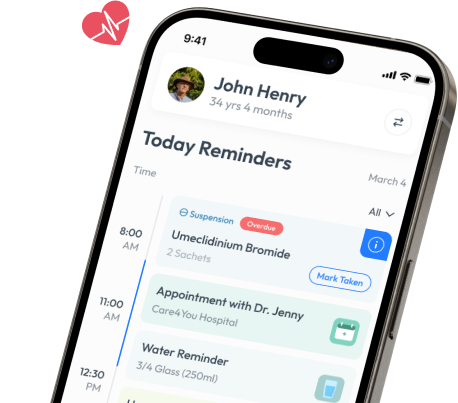
Set dosage reminders, log daily symptoms, track vitals, and share health reports with your doctor.
Download Free AppIn This Article
Manage Migraine with MediWatcher
Set dosage reminders, log daily symptoms, track vitals, and share health reports with your doctor.
Download Free AppHealth & Wellness Guides



Take control of your health today with MediWatcher.
Download now and experience the ease of managing your health.



We use cookies to improve your experience
We use cookies to personalise content and ads, to provide social media features and to analyse our traffic. We also share information about your use of our site with our advertising and analytics tools.