Menstrual Problems
Menstruation is a natural process that most people with a uterus experience during their reproductive years. While it’s a normal part of life, some may encounter menstrual problems that can significantly impact their physical and emotional well-being.
Menstrual problems refer to a range of issues related to the menstrual cycle, including irregular periods, excessive bleeding, severe cramps, or missing periods altogether. These problems vary in severity and duration, and while some may be temporary, others might signal underlying health concerns that require medical attention.
Common Menstrual Problems
- Irregular Periods (Oligomenorrhea): Irregular periods occur when the menstrual cycle is inconsistent. A normal cycle typically lasts 21–35 days, but factors like stress, hormonal imbalances, or lifestyle changes can disrupt this rhythm. Skipping periods or having unusually short or long cycles can also fall under this category.
- Heavy Bleeding (Menorrhagia): Menorrhagia is characterized by excessively heavy or prolonged menstrual bleeding. Those affected may need to change sanitary products frequently, sometimes as often as every hour. This condition can lead to anemia or fatigue if left untreated.
- Painful Periods (Dysmenorrhea): Many people experience some degree of cramping during their period, but for some, the pain is debilitating. Dysmenorrhea can interfere with daily activities and is often caused by uterine contractions or conditions like endometriosis.
- Missed Periods (Amenorrhea): Amenorrhea refers to the absence of menstruation for three or more cycles in a row (in people who previously had periods). It can result from pregnancy, excessive exercise, stress, or conditions like polycystic ovary syndrome (PCOS).
- Premenstrual Syndrome (PMS) and Premenstrual Dysphoric Disorder (PMDD): PMS involves physical and emotional symptoms such as bloating, mood swings, or fatigue before menstruation. PMDD is a more severe form of PMS that can cause intense emotional distress and physical discomfort.
Causes
Menstrual problems can arise due to various factors, including:
- Hormonal Imbalances: Conditions like PCOS, thyroid disorders, or perimenopause can disrupt the balance of hormones like estrogen and progesterone.
- Stress and Lifestyle: High stress levels, sudden weight changes, or extreme physical activity can affect the menstrual cycle.
- Medical Conditions: Uterine fibroids, endometriosis, or pelvic inflammatory disease (PID) can lead to irregularities or pain.
- Medications: Certain medications, such as blood thinners or hormonal contraceptives, may impact bleeding patterns.
- Diet and Nutrition: Deficiencies in essential nutrients, particularly iron and vitamins, can contribute to menstrual irregularities.
When to See a Doctor
While occasional irregularities are normal, you should consult a healthcare provider if you experience:
- Sudden changes in your menstrual cycle.
- Extremely heavy bleeding requiring frequent changes of sanitary products.
- Severe pain that doesn’t improve with over-the-counter pain relievers.
- Missed periods (and pregnancy is ruled out).
- Symptoms of anemia, such as fatigue, dizziness, or pale skin.
Timely medical intervention can help identify and address any underlying issues.
Solutions and Treatments
The treatment for menstrual problems depends on the specific issue and its cause. Here are some common approaches:
- Lifestyle Changes
- Stress Management: Practicing mindfulness, yoga, or deep breathing exercises can help regulate your cycle.
- Healthy Diet: Consuming a balanced diet rich in iron, calcium, and vitamins supports overall menstrual health.
- Regular Exercise: Moderate physical activity can reduce stress and alleviate symptoms like cramps or bloating.
- Medications
- Pain Relievers: Over-the-counter options can help with cramps.
- Hormonal Therapy: Birth control pills or hormonal patches may regulate cycles or reduce heavy bleeding.
- Supplements: Iron supplements are often recommended for those with menorrhagia to prevent anemia.
- Medical Procedures: In cases of fibroids, endometriosis, or other conditions, a doctor might recommend procedures such as a hysteroscopy, laparoscopy, or, in extreme cases, surgery.
- Alternative Therapies: Some people find relief through acupuncture, herbal supplements, or dietary adjustments. Always consult a doctor before starting any alternative treatments.
Preventive Measures
While not all menstrual problems can be prevented, maintaining a healthy lifestyle can reduce the risk of some issues:
- Stick to a nutrient-rich diet with whole grains, fruits, vegetables, and lean protein.
- Stay hydrated to reduce bloating and discomfort.
- Avoid excessive caffeine, alcohol, or smoking, which can exacerbate PMS or irregular cycles.
- Keep track of your menstrual cycle using apps or calendars to identify patterns and irregularities.
This article is for educational and informational purposes only and is not intended to substitute for professional medical advice, diagnosis, or treatment. Always seek the advice of your physician or other qualified health provider with any questions you may have regarding a medical condition.
Manage Menstrual Problems with MediWatcher
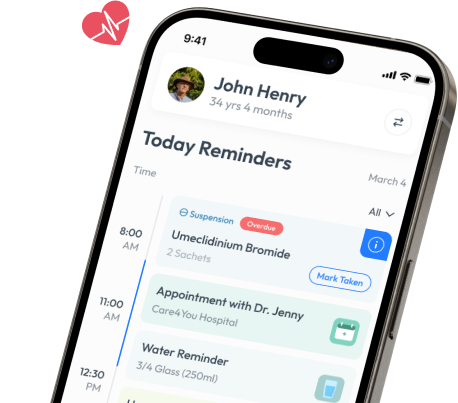
Set dosage reminders, log daily symptoms, track vitals, and share health reports with your doctor.
Download Free AppIn This Article
Manage Menstrual Problems with MediWatcher
Set dosage reminders, log daily symptoms, track vitals, and share health reports with your doctor.
Download Free AppHealth & Wellness Guides



Take control of your health today with MediWatcher.
Download now and experience the ease of managing your health.



We use cookies to improve your experience
We use cookies to personalise content and ads, to provide social media features and to analyse our traffic. We also share information about your use of our site with our advertising and analytics tools.