Irritable Bowel Syndrome (IBS)
Irritable bowel syndrome (IBS) is classified as a "functional gastrointestinal disorder," which means there are issues with how the gut works, but no structural abnormalities. It affects the large intestine and is a chronic condition that impacts how your digestive system functions. While it can cause significant discomfort and inconvenience, IBS doesn’t lead to serious health problems or permanent damage to the bowel. The condition varies widely among individuals, and managing it often requires a tailored approach based on a person’s specific triggers and symptoms.
Symptoms
The symptoms of IBS can vary from person to person:
- Abdominal pain or cramping, often described as a sharp or aching sensation that comes and goes. It's usually relieved after a bowel movement.
- Bloating or experiencing a sensation of fullness or tightness in the abdomen.
- Increased gas production is common, and it can cause discomfort or embarrassment.
- Diarrhea or constipation. They can alternate, or one may be more prevalent.
- Some people with IBS notice mucus in their stools, which can be a sign of inflammation in the gut.
It's important to understand that IBS symptoms can flare up and subside over time. They can be triggered by stress, diet, hormonal changes, or even certain medications.
Causes
The exact cause of IBS is still unknown, but several factors are thought to contribute:
- The brain and the gut are in constant communication, and when this interaction is disrupted, it can lead to IBS symptoms. People with IBS may have a heightened sensitivity to normal digestive processes, which can cause pain and discomfort.
- The muscles in the intestines contract to move food through the digestive tract. In IBS, these contractions may be stronger and last longer than usual, leading to diarrhea, or they may slow down, leading to constipation.
- Certain foods can trigger IBS symptoms, although food sensitivities in IBS are not the same as allergies. Common triggers include fatty foods, dairy, alcohol, caffeine, and artificial sweeteners.
- Emotional stress doesn't cause IBS, but it can worsen symptoms. Many people find that their IBS flares up during stressful periods.
- Women are more likely to develop IBS, and symptoms often worsen during menstruation. This suggests that hormonal fluctuations may play a role in IBS.
- A bout of gastroenteritis or an imbalance in the gut's natural bacterial population can sometimes trigger IBS symptoms.
Diagnosis
Doctors usually diagnose IBS by ruling out other potential conditions, like inflammatory bowel disease (IBD) or celiac disease, which have similar symptoms but more serious long-term consequences. A healthcare provider will typically begin by discussing your medical history and symptoms.
Diagnostic criteria often include:
- IBS is diagnosed if a person has had recurrent abdominal pain for at least one day per week in the last three months, associated with changes in stool frequency or appearance.
- Physical examination can help rule out other causes of the symptoms.
- Blood tests, stool tests, or imaging tests like colonoscopy may be ordered to exclude other conditions.
Treatment
There are several treatment options to help manage symptoms based on the severity and any identified triggers.
- Adjusting your diet is often the first step in managing IBS. Many people find relief by avoiding trigger foods, such as those high in fat, dairy, or caffeine. The low-FODMAP diet is also commonly recommended. It involves reducing certain carbohydrates that are poorly absorbed by the gut and can cause bloating and gas.
- Depending on the type of IBS, doctors may prescribe medications to relieve specific symptoms:
- Because stress can exacerbate IBS, managing stress through techniques like meditation, yoga, or therapy may help. Cognitive behavioral therapy has been shown to be particularly beneficial for some people with IBS.
- Regular physical activity can help regulate bowel movements, reduce stress, and improve overall well-being.
Living with IBS
Living with IBS can be challenging, but many people successfully manage their symptoms with a combination of lifestyle changes and medical treatments. It’s important to work closely with a healthcare provider to develop a personalized plan. Keeping a symptom diary can also help you identify triggers and patterns, making it easier to avoid situations that may cause flare-ups. Although IBS is a chronic condition, with the right approach, you can significantly improve your quality of life.
This article is for educational and informational purposes only and is not intended to substitute for professional medical advice, diagnosis, or treatment. Always seek the advice of your physician or other qualified health provider with any questions you may have regarding a medical condition.
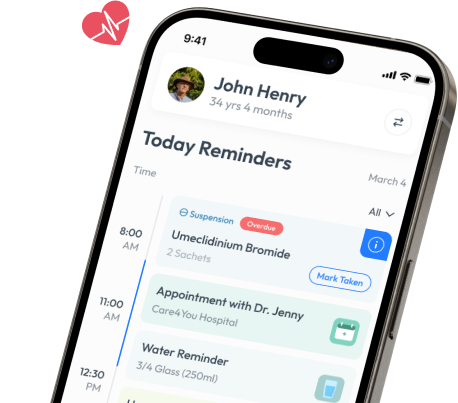
Manage Irritable Bowel Syndrome (IBS) with MediWatcher
Set dosage reminders, log daily symptoms, track vitals, and share health reports with your doctor.
Download Free AppIn This Article
Manage Irritable Bowel Syndrome (IBS) with MediWatcher
Set dosage reminders, log daily symptoms, track vitals, and share health reports with your doctor.
Download Free AppHealth & Wellness Guides



Take control of your health today with MediWatcher.
Download now and experience the ease of managing your health.



We use cookies to improve your experience
We use cookies to personalise content and ads, to provide social media features and to analyse our traffic. We also share information about your use of our site with our advertising and analytics tools.