Insomnia
How to Control Insomnia
Insomnia, or the inability to fall or stay asleep, is a common sleep disorder that can leave you feeling exhausted during the day, affect your mood, and even impact your overall health. There are several effective ways to manage and control it.
Stick to a Sleep Schedule
Maintain a consistent sleep schedule. Try to go to bed and wake up at the same time every day—even on weekends. This helps regulate your body’s internal clock, also known as the circadian rhythm, which plays a key role in sleep patterns.
When you’re constantly shifting your sleep times, your body gets confused, making it harder to fall asleep when you need to. Sticking to a regular schedule helps your body recognize when it’s time to wind down and when it’s time to wake up.
Create a Relaxing Bedtime Routine
Developing a calming routine before bed can signal to your body that it’s time to sleep. This could include activities like:
- Reading a book
- Taking a warm bath or shower
- Listening to soft, calming music
- Practicing deep breathing exercises
- Avoid stimulating activities, such as watching TV, playing video games, or scrolling through your phone, as these can make it harder to fall asleep.
Watch What You Eat and Drink
What you eat and drink during the day can impact how well you sleep at night.
- Limit caffeine and nicotine: Both are stimulants that can keep you awake. Try to avoid them in the afternoon and evening.
- Avoid heavy meals before bed: Eating large or spicy meals right before bed can cause discomfort, making it harder to sleep. Try to finish dinner a few hours before you head to bed.
- Cut back on alcohol: While alcohol may make you feel sleepy initially, it can disrupt your sleep later in the night and reduce the quality of your rest.
Create a Comfortable Sleep Environment
Your bedroom environment plays a big role in how well you sleep. Here are some tips to create a sleep-friendly environment:
- A cooler room temperature, around 60-67°F (15-19°C), is generally ideal for sleep.
- If outside noise keeps you awake, consider using earplugs or a white noise machine.
- Invest in a supportive mattress and pillows. Comfortable bedding can help create a cozy sleep space.
Limit Naps
While naps can be helpful in some cases, they can also interfere with nighttime sleep, especially if you’re already struggling with insomnia. If you nap during the day, try to keep it short (20-30 minutes) and avoid napping late in the afternoon.
Get Regular Physical Activity
Regular physical activity can help you fall asleep faster and enjoy deeper sleep. However, it’s important to time your workouts carefully. Vigorous exercise close to bedtime may leave you feeling too energized to sleep. Try to finish intense workouts at least a few hours before bed.
Even light exercise, such as walking or stretching, can help promote better sleep over time.
Manage Stress and Anxiety
When your mind is racing with worries, it’s hard to relax and fall asleep. Finding ways to manage stress can significantly improve your sleep. Here are some techniques to try:
- Mindfulness meditation
- Deep breathing exercises
- Journaling
Consider Cognitive Behavioral Therapy for Insomnia (CBT-I)
CBT-I is a structured program that helps you identify and change thoughts and behaviours that contribute to insomnia. CBT-I is considered the most effective treatment for long-term insomnia and is often more successful than medication.
CBT-I typically includes:
- Learning about sleep cycles and what factors affect your sleep.
- Limiting the time you spend in bed to match the amount of time you actually sleep.
- Addressing negative thoughts and fears about sleep that might be keeping you awake.
Limit Exposure to Light in the Evening
Our bodies are wired to respond to light cues, which signal when it’s time to be awake or asleep. Bright light in the evening can trick your brain into thinking it’s still daytime, making it harder to fall asleep.
- Dim the lights in your home as it gets closer to bedtime.
- Try using blackout curtains to block out external light.
- Consider wearing a sleep mask if light is still an issue.
When to See a Doctor
If you’ve tried these strategies and still struggle with insomnia, it might be time to see a healthcare provider. They can help identify any underlying causes, such as sleep apnea, restless leg syndrome, or anxiety, and work with you to develop a treatment plan.
This article is for educational and informational purposes only and is not intended to substitute for professional medical advice, diagnosis, or treatment. Always seek the advice of your physician or other qualified health provider with any questions you may have regarding a medical condition.
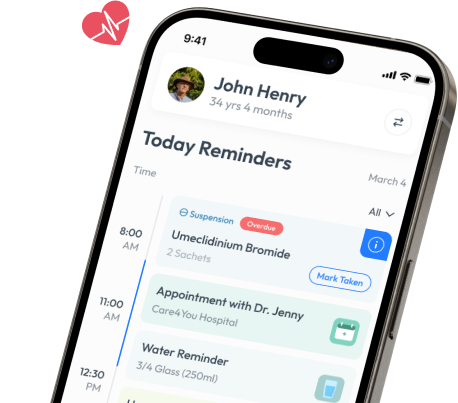
Manage Insomnia with MediWatcher
Set dosage reminders, log daily symptoms, track vitals, and share health reports with your doctor.
Download Free AppIn This Article
Manage Insomnia with MediWatcher
Set dosage reminders, log daily symptoms, track vitals, and share health reports with your doctor.
Download Free AppHealth & Wellness Guides



Take control of your health today with MediWatcher.
Download now and experience the ease of managing your health.



We use cookies to improve your experience
We use cookies to personalise content and ads, to provide social media features and to analyse our traffic. We also share information about your use of our site with our advertising and analytics tools.