Indigestion
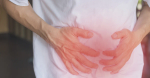
Indigestion, also known as dyspepsia, is a general term used to describe discomfort in your stomach, often felt during or after eating. Symptoms can include:
- Bloating or feeling overly full
- Nausea
- Heartburn (a burning sensation in the chest or throat)
- Belching or gas
- A feeling of discomfort or pain in the upper abdomen
Indigestion is not a disease but rather a collection of symptoms that can result from various underlying causes. It’s a common problem that many people experience occasionally, especially after eating a large or fatty meal.
Causes
Indigestion can be triggered by several factors, including:
- When you eat large amounts of food or eat too quickly, your stomach has to work harder to digest the food, leading to discomfort.
- Foods high in fat are harder to digest, which can lead to bloating and discomfort.
- Some people are sensitive to spicy foods, which can irritate the stomach lining and lead to indigestion.
- Caffeine, alcohol, and carbonated drinks can irritate the stomach and cause gas or bloating.
- Emotional stress can trigger or worsen indigestion in some individuals, as it may affect how the stomach functions.
- Some medications, such as nonsteroidal anti-inflammatory drugs (NSAIDs) and certain antibiotics, can irritate the stomach and cause indigestion.
- Conditions like gastroesophageal reflux disease (GERD), peptic ulcers, or irritable bowel syndrome (IBS) can lead to indigestion.
Simple Remedies for Indigestion
If you’re dealing with indigestion, there are a number of simple home remedies and lifestyle changes that can help relieve your symptoms.
Adjust Your Eating Habits
- Eating smaller portions more frequently can help reduce the burden on your stomach and make digestion easier.
- Taking the time to chew your food well can aid digestion and prevent overeating.
- Lying down can make it easier for stomach acid to flow back into the esophagus, leading to heartburn. Try waiting at least 2-3 hours before going to bed after a meal.
Avoid Triggers
Certain foods and drinks can trigger indigestion. Try to limit or avoid:
- Fatty, greasy, or fried foods
- Spicy foods
- Caffeine and alcohol
- Carbonated drinks
Keep a food diary to help identify which foods or beverages tend to trigger your symptoms, and avoid them when possible.
Stay Hydrated
Drinking plenty of water can help aid digestion. However, try to avoid drinking large amounts of fluids during meals, as this can fill your stomach and worsen bloating.
Use Over-the-Counter Remedies
If lifestyle changes aren’t enough, over-the-counter antacids can provide quick relief by neutralizing stomach acid. There are also medications like H2 blockers or proton pump inhibitors (PPIs) that reduce the production of stomach acid, which can be helpful if you suffer from frequent heartburn.
However, it’s important to use these medications as directed, and consult with a doctor if you find yourself relying on them frequently.
Manage Stress
Because stress and anxiety can worsen indigestion consider trying:
- Relaxation techniques like deep breathing, meditation, or yoga
- Physical activity, which can reduce stress and promote healthy digestion
- Getting enough sleep to help your body manage stress better
When to See a Doctor
You should see a doctor if:
- Your indigestion persists or gets worse
- You have trouble swallowing
- You experience unintentional weight loss
- You vomit frequently or have blood in your vomit
- You feel severe, persistent pain in your abdomen
- You have black, tarry stools
These symptoms could indicate a more serious condition, such as GERD, peptic ulcers, or gallbladder disease.
Preventing Indigestion
In many cases, indigestion can be prevented by making simple lifestyle changes.
Maintain a Healthy Diet
Eating a balanced diet that’s rich in fruits, vegetables, and whole grains can help promote healthy digestion. Try to limit foods that are high in fat, sugar, or artificial ingredients, as these can be harder to digest.
Eat Mindfully
Mindful eating involves paying attention to what you’re eating and how it makes you feel. Eating slowly and chewing your food thoroughly can help prevent overeating, which is a common cause of indigestion.
Stay Active
Regular physical activity helps keep your digestive system functioning properly. Even a short walk after meals can aid digestion and prevent bloating.
Limit Alcohol and Caffeine
Both alcohol and caffeine can irritate your stomach and lead to indigestion. Limiting your intake of these beverages can help reduce symptoms.
Don’t Smoke
Smoking can weaken the muscle that prevents stomach acid from flowing back into the esophagus, leading to heartburn and indigestion. Quitting smoking can significantly improve digestion.
This article is for educational and informational purposes only and is not intended to substitute for professional medical advice, diagnosis, or treatment. Always seek the advice of your physician or other qualified health provider with any questions you may have regarding a medical condition.
Manage Indigestion with MediWatcher
Set dosage reminders, log daily symptoms, track vitals, and share health reports with your doctor.
Download Free AppIn This Article
Manage Indigestion with MediWatcher
Set dosage reminders, log daily symptoms, track vitals, and share health reports with your doctor.
Download Free AppHealth & Wellness Guides


Take control of your health today with MediWatcher.
Download now and experience the ease of managing your health.



We use cookies to improve your experience
We use cookies to personalise content and ads, to provide social media features and to analyse our traffic. We also share information about your use of our site with our advertising and analytics tools.