Hypothyroidism
Hypothyroidism, also known as an underactive thyroid, is a common condition where the thyroid gland doesn't produce enough of certain essential hormones. Your thyroid is a small, butterfly-shaped gland located at the front of your neck, and it plays a big role in regulating your body’s metabolism. When your thyroid hormone levels are low, many of your body’s systems can slow down.
Symptoms
At first, many people may not notice any symptoms. However, as the condition progresses, symptoms can become more obvious and impact daily life.
- Feeling constantly tired or low on energy is one of the most common symptoms.
- Unexplained weight gain, even without changes to your diet or exercise routine, can be a sign of an underactive thyroid.
- If you find yourself feeling cold all the time, especially in situations where others are comfortable, this could be due to hypothyroidism.
- The skin may become dry and flaky, and hair may become brittle and fall out more easily.
- Slowed metabolism can lead to less frequent or difficult bowel movements.
- Hypothyroidism can also affect your mental well-being, causing low mood, depression, or even irritability.
- A lower-than-usual heart rate is another possible symptom.
- You may experience aches and stiffness in your muscles and joints.
- Women may notice changes in their menstrual cycles, including heavier or irregular periods.
Causes
There are several potential causes of hypothyroidism, including:
- Hashimoto’s Thyroiditis is the most common cause of hypothyroidism. In Hashimoto’s thyroiditis, the immune system mistakenly attacks the thyroid gland, leading to reduced hormone production over time.
- If part or all of your thyroid gland has been removed through surgery (for conditions like thyroid nodules, cancer, or goiter), your hormone production may decrease, leading to hypothyroidism.
- Radiation used to treat cancers of the head and neck can sometimes damage the thyroid gland, causing it to produce less hormone.
- Certain medications can interfere with thyroid function and lead to hypothyroidism.
- Iodine Deficiency in the diet is a common cause of hypothyroidism in some parts of the world. Iodine is essential for the production of thyroid hormones.
- Some babies are born with an underactive thyroid gland, which is known as congenital hypothyroidism. This can happen if the thyroid gland doesn't develop properly or if it doesn’t function correctly.
Risk Factors
Factors that can increase your risk include:
- Gender: Women are more likely to develop hypothyroidism than men, especially after age 60.
- Family History: A family history of thyroid disease, particularly Hashimoto’s thyroiditis, increases your risk.
- Other Autoimmune Diseases: If you have another autoimmune condition, such as type 1 diabetes or celiac disease, your chances of developing hypothyroidism are higher.
- Age: Hypothyroidism is more common in people over 60.
Diagnosis
The first step is to visit a healthcare provider. They will likely perform a physical exam and order blood tests to measure your thyroid hormone levels.
The most common blood test for diagnosing hypothyroidism is the thyroid-stimulating hormone (TSH) test. TSH is a hormone released by the pituitary gland that tells the thyroid to make more hormones. If your TSH levels are high, it suggests that your thyroid isn’t producing enough hormone, indicating hypothyroidism. Another blood test may measure your levels of free T4, which is the active form of thyroid hormone in your body.
Treatment
The standard treatment for hypothyroidism is taking daily medication that replaces the missing thyroid hormone. This medication is a synthetic version of the T4 hormone that your thyroid naturally produces. Once you start treatment, it can take a few weeks for your symptoms to improve.
It’s important to take your medication at the same time every day, preferably on an empty stomach, for the best absorption.
You will need regular blood tests to ensure your hormone levels are balanced. Your doctor may adjust your dose depending on these results.
Hypothyroidism is usually a lifelong condition, so ongoing treatment and monitoring are necessary.
Living with Hypothyroidism
Managing hypothyroidism requires a few lifestyle changes, but many people find it easy to incorporate these into their routines once they understand their condition. Here are some tips for living well with hypothyroidism:
- Making sure you’re eating a nutrient-rich diet that includes iodine (from iodized salt or seafood), selenium (found in nuts and fish), and zinc (from meat and legumes) can support thyroid health.
- Regular physical activity can help with some symptoms of hypothyroidism, such as weight gain and fatigue.
- Keeping up with regular doctor visits and following your prescribed treatment plan is key to managing hypothyroidism successfully.
This article is for educational and informational purposes only and is not intended to substitute for professional medical advice, diagnosis, or treatment. Always seek the advice of your physician or other qualified health provider with any questions you may have regarding a medical condition.
Manage Hypothyroidism with MediWatcher
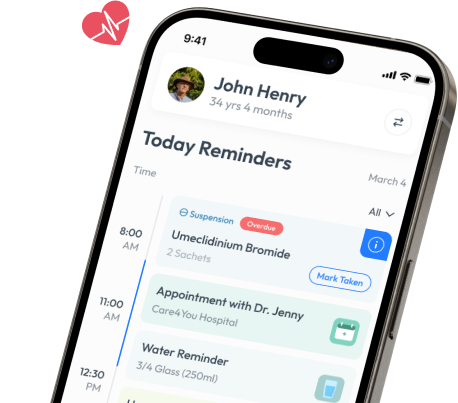
Set dosage reminders, log daily symptoms, track vitals, and share health reports with your doctor.
Download Free AppIn This Article
Manage Hypothyroidism with MediWatcher
Set dosage reminders, log daily symptoms, track vitals, and share health reports with your doctor.
Download Free AppHealth & Wellness Guides



Take control of your health today with MediWatcher.
Download now and experience the ease of managing your health.



We use cookies to improve your experience
We use cookies to personalise content and ads, to provide social media features and to analyse our traffic. We also share information about your use of our site with our advertising and analytics tools.