Hypotension
Hypotension, or low blood pressure happens when your blood pressure is too low. This can lead to symptoms like dizziness, fainting, or even shock in severe cases. Normal blood pressure is generally considered to be around 120/80 mm Hg. If your blood pressure consistently falls below 90/60 mm Hg, you may have hypotension. In severe cases, low blood pressure can reduce blood flow to vital organs, which can be dangerous.
Thankfully, there are ways to manage and treat low blood pressure so it doesn’t interfere with your daily life.
Common Causes
Low blood pressure can occur because:
- Dehydration: When your body doesn’t have enough fluids, your blood pressure can drop.
- Heart Problems: Certain heart conditions, like a slow heart rate (bradycardia) or heart failure, can lead to low blood pressure.
- Endocrine Problems: Issues with your thyroid, adrenal glands, or low blood sugar levels can affect blood pressure.
- Blood Loss: Losing a lot of blood from an injury can quickly cause a drop in blood pressure.
- Medications: Some medications, especially for high blood pressure, depression, or Parkinson’s disease, can lower your blood pressure too much.
- Severe Infection (Sepsis): An overwhelming infection in your body can lead to a dangerous drop in blood pressure.
Symptoms
Some people with hypotension might not feel anything unusual, but for others, it can cause symptoms like:
- Dizziness or lightheadedness
- Fainting
- Blurred vision
- Fatigue
- Confusion
- Nausea
- Cold, clammy skin
These symptoms can become more noticeable when you stand up too quickly or after eating a large meal.
How to Manage Hypotension
While hypotension isn’t always a serious issue, it’s important to know how to manage it, especially if you have symptoms that affect your quality of life. Here are some steps you can take to manage low blood pressure:
- Stay Hydrated
One of the easiest ways to manage low blood pressure is to make sure you’re drinking enough water throughout the day. Dehydration is a common cause of hypotension, so aim to drink at least 8 glasses of water daily. If you’re exercising or spending time in hot weather, you may need even more.
- Eat Small, Frequent Meals
For some people, blood pressure drops after eating, especially large meals. To avoid this, try eating smaller meals more frequently throughout the day instead of three large meals. Also, consider reducing your intake of carbohydrates, as they can cause blood pressure to drop after meals.
- Increase Salt Intake (with Caution)
Unlike high blood pressure, where you need to limit your salt intake, people with low blood pressure might benefit from adding a little extra salt to their diet. However, this should be done under a doctor’s supervision, as too much salt can lead to other health problems.
- Avoid Alcohol
Alcohol can lower blood pressure, so it’s best to limit or avoid it if you have hypotension. If you do choose to drink, make sure to stay hydrated by drinking water between alcoholic beverages.
- Wear Compression Stockings
If your low blood pressure is caused by blood pooling in your legs, compression stockings can help. These tight-fitting socks help improve blood flow and prevent blood from collecting in your legs, which can reduce dizziness and other symptoms.
- Stand Up Slowly
If you often feel lightheaded when you stand up, take your time rising from a seated or lying position. When you move too quickly, gravity can cause blood to pool in your legs, making you feel faint. By standing up slowly and giving your body time to adjust, you can prevent that sudden drop in blood pressure.
- Medications
In some cases, your doctor may prescribe medications to help raise your blood pressure. This might be necessary if lifestyle changes aren’t enough to keep your symptoms under control. Medications can help your body retain more salt, which increases blood volume and raises blood pressure and narrows your blood vessels, which can also help boost blood pressure.
When to See a Doctor
If you have low blood pressure and experience any of the following symptoms,
- Frequent fainting spells
- Chest pain
- Shortness of breath
- A weak, rapid pulse
These could be signs of a more serious condition, and immediate treatment might be necessary. Talk to a healthcare professional if you regularly feel dizzy, weak, or lightheaded. They can help determine the cause of your hypotension and develop a treatment plan that works for you.
This article is for educational and informational purposes only and is not intended to substitute for professional medical advice, diagnosis, or treatment. Always seek the advice of your physician or other qualified health provider with any questions you may have regarding a medical condition.
Manage Hypotension with MediWatcher
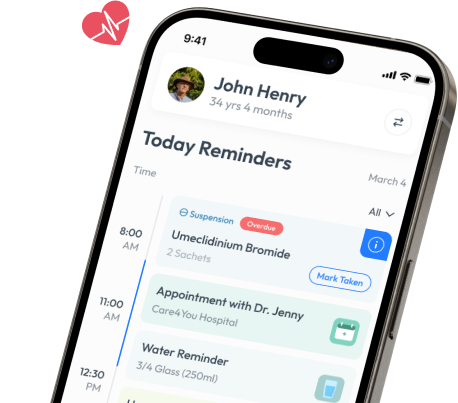
Set dosage reminders, log daily symptoms, track vitals, and share health reports with your doctor.
Download Free AppIn This Article
Manage Hypotension with MediWatcher
Set dosage reminders, log daily symptoms, track vitals, and share health reports with your doctor.
Download Free AppHealth & Wellness Guides



Take control of your health today with MediWatcher.
Download now and experience the ease of managing your health.



We use cookies to improve your experience
We use cookies to personalise content and ads, to provide social media features and to analyse our traffic. We also share information about your use of our site with our advertising and analytics tools.