Hypertension
Hypertension, or high blood pressure, is a common but serious health condition that affects millions of people worldwide. Often referred to as the "silent killer," it can increase the risk of heart disease, stroke, and other life-threatening complications. The good news is that hypertension can be managed through lifestyle changes, medications, and regular monitoring.
Hypertension occurs when the force of blood pushing against the walls of your arteries is consistently too high.
A normal blood pressure reading is around 120/80 mmHg. When your blood pressure consistently measures 130/80 mmHg or higher, you may be diagnosed with hypertension.
Types
There are two main types of hypertension:
- Primary Hypertension (Essential Hypertension) is the most common type and develops over time with no identifiable cause. Factors like genetics, age, and lifestyle choices (such as diet and exercise) often contribute to its development.
- Secondary Hypertension results from an underlying health condition such as kidney disease, hormonal disorders, or certain medications. It can appear suddenly and usually causes higher blood pressure than primary hypertension.
Symptoms
One of the tricky aspects of hypertension is that it often doesn’t show any noticeable symptoms in its early stages. However, in some cases, extremely high blood pressure may cause:
- Severe headaches
- Nosebleeds
- Shortness of breath
- Chest pain
- Vision problems
If these symptoms occur, you should seek immediate medical help.
Causes and Risk Factors
Factors that can increase your risk of developing hypertension:
- If your family has a history of high blood pressure, you may be more likely to develop it.
- Hypertension is more common as people age. This is because blood vessels become less flexible, making it harder for blood to flow through them easily.
- Excess weight can put extra strain on your heart and increase your blood pressure.
- Lack of Physical Activity
- Consuming too much sodium (found in salty foods) can raise blood pressure by causing your body to retain excess fluid.
- Smoking damages blood vessels, while excessive alcohol consumption can lead to long-term increases in blood pressure.
- Chronic stress may contribute to elevated blood pressure over time.
Complications
If left untreated, hypertension can lead to serious health complications, including:
- High blood pressure can cause the arteries to harden and thicken, increasing the risk of heart attack or heart failure.
- Hypertension damages blood vessels in the brain, increasing the risk of a stroke.
- High blood pressure can damage the blood vessels in the kidneys, leading to kidney disease or failure.
- Hypertension can damage the blood vessels in the eyes, causing vision loss.
Prevention
- By making healthy lifestyle changes, you can significantly reduce your risk of developing high blood pressure.
- Eating a balanced diet rich in fruits, vegetables, whole grains, and lean proteins can help keep your blood pressure in check. The DASH (Dietary Approaches to Stop Hypertension) diet is specifically designed to lower blood pressure.
- Try to reduce your salt consumption by avoiding processed foods and cooking with herbs and spices instead of salt.
- Physical activity strengthens your heart, helping it pump blood more efficiently. Aim for at least 150 minutes of moderate-intensity exercise each week.
- Reducing alcohol intake and quitting smoking are crucial steps in lowering your blood pressure and improving overall health.
- Practice relaxation techniques such as deep breathing, meditation, or yoga to reduce stress levels and support heart health.
Diagnosing Hypertension
Hypertension is diagnosed through routine blood pressure measurements. A blood pressure reading can be taken at a doctor's office, or you can monitor it at home using a digital blood pressure monitor. If your readings are consistently high, your doctor may recommend more frequent checks or additional tests to determine if you have hypertension.
Managing Hypertension
There are several ways to manage hypertension.
- Lifestyle Changes including dietary modifications, increasing physical activity, and quitting smoking, as discussed above.
- Prescribed Medications such as diuretics (which help your body get rid of extra salt and water), ACE inhibitors, or beta-blockers to control your blood pressure.
- Regularly Monitoring your blood pressure. Home monitoring devices can help you track your progress and alert your doctor if any adjustments to your treatment plan are needed.
When to See a Doctor
If you have risk factors for hypertension or if your blood pressure readings are consistently high, it’s essential to consult a healthcare provider. Early detection and intervention can prevent severe complications like heart disease, stroke, and kidney failure.
This article is for educational and informational purposes only and is not intended to substitute for professional medical advice, diagnosis, or treatment. Always seek the advice of your physician or other qualified health provider with any questions you may have regarding a medical condition.
Manage Hypertension with MediWatcher
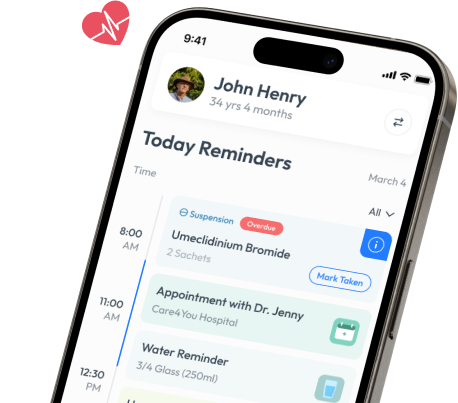
Set dosage reminders, log daily symptoms, track vitals, and share health reports with your doctor.
Download Free AppIn This Article
Manage Hypertension with MediWatcher
Set dosage reminders, log daily symptoms, track vitals, and share health reports with your doctor.
Download Free AppHealth & Wellness Guides


Take control of your health today with MediWatcher.
Download now and experience the ease of managing your health.



We use cookies to improve your experience
We use cookies to personalise content and ads, to provide social media features and to analyse our traffic. We also share information about your use of our site with our advertising and analytics tools.