HIV/AIDS
Human Immunodeficiency Virus (HIV) is a virus that specifically attacks the immune system’s CD4 cells, also known as T-cells. These cells help your body fight off infections. Over time, if untreated, HIV can kill off so many of these cells that the body struggles to defend itself from even minor infections or illnesses.
HIV is a lifelong condition, meaning there is no complete cure for it. However, with proper medical care, including antiretroviral therapy (ART), people with HIV can live long, healthy lives.
How Does HIV Lead to AIDS?
AIDS is the final stage of an HIV infection. When a person has AIDS, their immune system is so severely damaged that they are vulnerable to "opportunistic infections" — illnesses that would not typically harm someone with a healthy immune system.
With effective treatment, many people with HIV never reach this stage.
Symptoms
Early Stage HIV Symptoms:
When someone is first infected with HIV, they may experience flu-like symptoms within two to four weeks. This phase is called "acute HIV infection" and might include:
- Fever
- Chills
- Rash
- Night sweats
- Fatigue
- Swollen lymph nodes
- Muscle aches
- Sore throat
These symptoms usually last for a few weeks. During this period, HIV is spreading quickly in the body, and the person is highly contagious.
Chronic HIV Symptoms:
After the acute phase, the virus becomes less active in the body, though it is still there. This stage is called "chronic HIV infection" or "clinical latency." Some people don’t have any symptoms during this phase, which can last for years. Without treatment, HIV continues to damage the immune system.
AIDS Symptoms:
When HIV progresses to AIDS, the immune system is severely weakened, and a person becomes more susceptible to infections and certain cancers. Common symptoms of AIDS include:
- Rapid weight loss
- Recurring fever
- Profuse night sweats
- Extreme fatigue
- Prolonged swelling of lymph glands
- Diarrhea lasting more than a week
- Sores in the mouth, anus, or genitals
- Pneumonia
- Memory loss, depression, or other neurological conditions
How is HIV Transmitted?
HIV is transmitted through certain body fluids from someone who has HIV. These fluids include:
- Blood
- Semen (including pre-seminal fluid)
- Rectal fluids
- Vaginal fluids
- Breast milk
Who is at Risk?
Certain factors that increase the risk include:
- Having unprotected sex (without a condom or other barrier method)
- Having multiple sexual partners
- Sharing needles or syringes with others
- Having another sexually transmitted infection (STI), which can make it easier for HIV to enter your body
- Engaging in high-risk sexual behavior such as having sex while under the influence of drugs or alcohol
Prevention
Preventing HIV is possible through various methods:
- Practice Safe Sex: Using condoms correctly every time you have sex reduces the risk of HIV transmission. Condoms act as a barrier, preventing the exchange of body fluids that could carry the virus.
- Regular Testing: If you are sexually active, especially with multiple partners, regular testing for HIV and other STIs is crucial.
- Pre-Exposure Prophylaxis (PrEP): PrEP is a daily pill that can reduce the risk of getting HIV. It's recommended for individuals at high risk of HIV exposure, such as those with an HIV-positive partner.
- Don’t Share Needles: Always use clean needles and never share them with others. Needle exchange programs can provide clean needles to reduce the risk of transmission.
- Post-Exposure Prophylaxis (PEP): PEP involves taking medication after potential exposure to HIV to prevent infection. It must be started within 72 hours after possible exposure and is meant for emergencies.
HIV Treatment
While there is no cure for HIV, antiretroviral therapy (ART) can control the virus and prevent progression to AIDS. ART involves taking a combination of medications daily, which help reduce the viral load in the body, often to undetectable levels. This means the virus is so low that it cannot be transmitted to others, a concept known as "Undetectable = Untransmittable" (U=U).
ART is not a cure, but it allows people with HIV to live long, fulfilling lives. The key is adherence — taking the medication as prescribed, without missing doses. Regular medical checkups and viral load testing are also crucial for monitoring the treatment's effectiveness.
Living with HIV
With proper treatment, many people with HIV can work, have relationships, and lead normal lives. Support from friends, family, and support groups can make a significant difference in coping with an HIV diagnosis. Educating others and dispelling myths about the disease also plays a crucial role in reducing stigma and discrimination.
This article is for educational and informational purposes only and is not intended to substitute for professional medical advice, diagnosis, or treatment. Always seek the advice of your physician or other qualified health provider with any questions you may have regarding a medical condition.
Manage HIV/AIDS with MediWatcher
Set dosage reminders, log daily symptoms, track vitals, and share health reports with your doctor.
Download Free AppIn This Article
Manage HIV/AIDS with MediWatcher
Set dosage reminders, log daily symptoms, track vitals, and share health reports with your doctor.
Download Free AppHealth & Wellness Guides


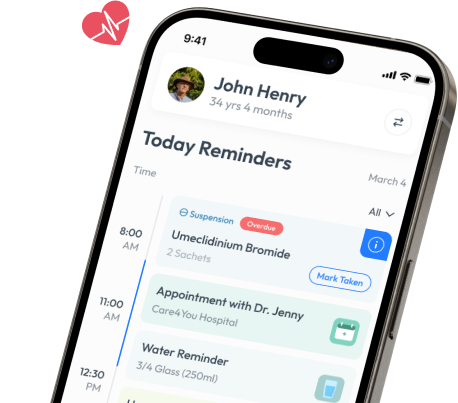
Take control of your health today with MediWatcher.
Download now and experience the ease of managing your health.



We use cookies to improve your experience
We use cookies to personalise content and ads, to provide social media features and to analyse our traffic. We also share information about your use of our site with our advertising and analytics tools.