Hepatitis C
What is Hepatitis C?
Hepatitis C is caused by the hepatitis C virus (HCV), which inflames the liver. Your liver is a vital organ that processes toxins, stores nutrients, and helps your body digest food. When the liver is inflamed or damaged due to the virus, it can’t function properly.
There are different types of hepatitis viruses (A, B, C, D, and E), but hepatitis C is particularly concerning because it often becomes chronic, meaning it stays in the body for a long time. If left untreated, chronic hepatitis C can cause long-term liver damage.
How is it transmitted?
Hepatitis C is spread through blood-to-blood contact. The most common ways include:
- Sharing needles: People who inject drugs are at high risk if they share needles or other drug equipment like syringes or spoons.
- Blood transfusions and organ transplants: Before widespread screening, some people were infected through blood transfusions or organ transplants. This risk has been significantly reduced since blood screening became standard.
- Tattooing or piercing: If proper sterilization techniques are not followed, the virus can be transmitted during tattooing or piercing.
- Healthcare settings: Healthcare workers are at risk of accidental exposure if they are stuck with needles or come into contact with contaminated blood.
- Mother-to-baby transmission: Pregnant women with hepatitis C can pass the virus to their babies, though this is rare.
Hepatitis C is not spread by casual contact like hugging, kissing, or sharing food or drinks. It also isn’t sexually transmitted in most cases.
Symptoms
One of the challenges with hepatitis C is that for some people, symptoms may appear within 2 to 12 weeks after exposure, while for others, it can take years.
When symptoms do appear, they may include:
- Fatigue
- Jaundice (yellowing of the skin and eyes)
- Dark urine
- Nausea or vomiting
- Loss of appetite
- Abdominal pain, especially in the upper right side
- Joint pain
Diagnosis
Testing for hepatitis C is relatively simple. A healthcare provider will usually start with a blood test to check for antibodies to the hepatitis C virus. If antibodies are present, it means the person has been exposed to the virus at some point.
To confirm whether the virus is currently active, a second test (called an HCV RNA test) will measure the amount of virus in the blood. This helps determine whether the infection is ongoing and whether treatment is needed.
Treatment Options
The good news is that hepatitis C is now considered a curable disease for most people. New antiviral medications, called direct-acting antivirals (DAAs), have revolutionized treatment. These drugs work by attacking the virus directly and preventing it from reproducing.
Treatment length: Most people will need DAAs for 8 to 12 weeks.
Success rate: Cure rates with DAAs are very high—over 95% of people who complete treatment are cured.
Side effects: DAAs generally have fewer side effects than older treatments. Some people may experience fatigue, headache, or nausea, but these side effects are usually mild.
Because hepatitis C can cause long-term liver damage, it’s important to treat it as early as possible to avoid complications like cirrhosis or liver cancer.
Prevention
There’s currently no vaccine for hepatitis C, but there are steps you can take to protect yourself from infection:
- Avoid sharing needles or drug paraphernalia: If you use injection drugs, use sterile equipment and never share needles.
- Choose professional tattoo and piercing shops: Make sure the facility follows proper sterilization procedures.
- Be cautious in healthcare settings: Healthcare workers should follow safety protocols to avoid accidental needle sticks or exposure to contaminated blood.
Living with Hepatitis C
If you’re diagnosed with hepatitis C, the first step is to work with your healthcare provider to create a treatment plan. With today’s treatment options, most people can be cured and go on to live healthy, normal lives.
While undergoing treatment, it’s essential to avoid alcohol, which can worsen liver damage. Eating a healthy diet, staying hydrated, and getting regular exercise can also support liver health.
If you’ve had hepatitis C for a long time and developed liver damage, your doctor may monitor your liver function and recommend regular screenings for liver cancer. Even after being cured of hepatitis C, it’s important to stay proactive about your liver health.
This article is for educational and informational purposes only and is not intended to substitute for professional medical advice, diagnosis, or treatment. Always seek the advice of your physician or other qualified health provider with any questions you may have regarding a medical condition.
Manage Hepatitis C with MediWatcher
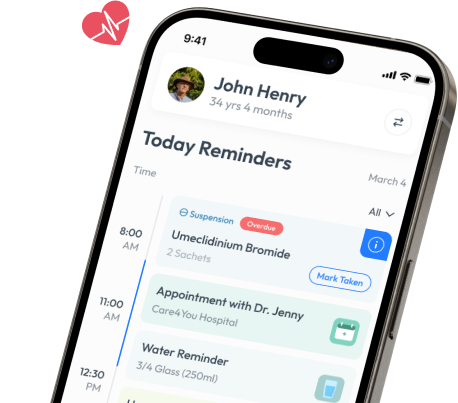
Set dosage reminders, log daily symptoms, track vitals, and share health reports with your doctor.
Download Free AppIn This Article
Manage Hepatitis C with MediWatcher
Set dosage reminders, log daily symptoms, track vitals, and share health reports with your doctor.
Download Free AppHealth & Wellness Guides



Take control of your health today with MediWatcher.
Download now and experience the ease of managing your health.



We use cookies to improve your experience
We use cookies to personalise content and ads, to provide social media features and to analyse our traffic. We also share information about your use of our site with our advertising and analytics tools.