Heartburn
Heartburn is a common digestive condition characterized by a burning sensation in the chest, often after eating. It occurs when stomach acid backs up into the esophagus, irritating its lining. While occasional heartburn is normal, frequent episodes can be uncomfortable and disruptive.
Causes and Symptoms
Heartburn is typically triggered by certain foods, lifestyle habits, or medical conditions. Common triggers include:
- Spicy foods like chili, pepper, and other strong seasonings can irritate the esophagus and exacerbate heartburn symptoms.
- Fatty and fried foods take longer to digest, increasing the likelihood of acid reflux.
- Caffeine and Alcohol can relax the lower esophageal sphincter (LES), a muscle that acts as a valve between the esophagus and stomach, allowing stomach acid to flow back up.
- The bubbles in carbonated beverages in these drinks can expand in the stomach, increasing pressure and the risk of acid reflux.
- The high acid content of citrus fruits and tomatoes can irritate the esophagus.
- Other contributing factors include obesity, pregnancy, smoking, and certain medications that can relax the LES or irritate the stomach lining.
- Symptoms of heartburn typically include a burning sensation in the chest, usually after eating, that may worsen when lying down or bending over. Some individuals also experience a sour or bitter taste in the mouth, difficulty swallowing, or a chronic cough.
Effective Strategies for Managing Heartburn
While occasional heartburn can often be managed with over-the-counter medications, frequent or severe cases may require more comprehensive lifestyle changes.
Modify Your Diet:
- Identify and avoid foods that trigger your heartburn. This may include spicy, fatty, or acidic foods. Keeping a food diary can help you pinpoint specific triggers.
- Large meals can increase stomach pressure, leading to acid reflux. Opt for smaller, more frequent meals to reduce the likelihood of heartburn.
- Taking the time to chew your food well can aid digestion and reduce the burden on your stomach.
Adjust Your Eating Habits:
- Lying down after eating can increase the risk of acid reflux. Wait at least two to three hours after eating before lying down or going to bed.
- If you experience nighttime heartburn, raising the head of your bed by 6 to 8 inches can help prevent stomach acid from flowing back into the esophagus.
Maintain a Healthy Weight:
- Excess weight can put pressure on the abdomen, pushing up the stomach and causing acid to back up into the esophagus. Losing even a small amount of weight can significantly reduce heartburn symptoms.
Quit Smoking:
Smoking can weaken the LES, making it easier for stomach acid to reflux into the esophagus. Quitting smoking not only improves heartburn but also has numerous other health benefits.
Wear Loose Clothing:
Tight clothing, especially around the waist, can put pressure on the stomach and LES, increasing the risk of heartburn. Opt for loose-fitting clothes to reduce this pressure.
Manage Stress:
Stress can exacerbate heartburn by increasing stomach acid production. Practice stress-relief techniques such as yoga, meditation, or deep breathing exercises to help manage both stress and heartburn.
Consider Over-the-Counter Remedies:
- Antacids can provide quick relief by neutralizing stomach acid. They are often a first-line treatment for occasional heartburn.
- For more frequent heartburn, H2 blockers and PPIs can reduce the production of stomach acid. However, these should be used under medical supervision, especially if symptoms persist.
Seek Medical Advice
If you experience heartburn more than twice a week, it could be a sign of gastroesophageal reflux disease (GERD), a more serious condition that requires medical attention. Persistent heartburn can lead to complications such as esophagitis, esophageal strictures, or Barrett’s esophagus, which is a risk factor for esophageal cancer.
Long-Term Management and Prevention
Managing heartburn is not just about alleviating immediate symptoms but also about long-term prevention. Adopting a heartburn-friendly lifestyle can help prevent recurrence:
- Drinking plenty of water helps dilute stomach acid and can assist in the digestive process.
- Engaging in regular physical activity helps maintain a healthy weight and reduces stress, both of which are important in managing heartburn.
- Good posture, especially after meals, can reduce pressure on the stomach and LES.
This article is for educational and informational purposes only and is not intended to substitute for professional medical advice, diagnosis, or treatment. Always seek the advice of your physician or other qualified health provider with any questions you may have regarding a medical condition.
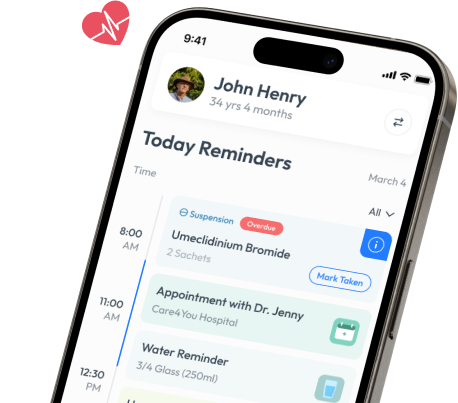
Manage Heartburn with MediWatcher
Set dosage reminders, log daily symptoms, track vitals, and share health reports with your doctor.
Download Free AppIn This Article
Manage Heartburn with MediWatcher
Set dosage reminders, log daily symptoms, track vitals, and share health reports with your doctor.
Download Free AppHealth & Wellness Guides



Take control of your health today with MediWatcher.
Download now and experience the ease of managing your health.



We use cookies to improve your experience
We use cookies to personalise content and ads, to provide social media features and to analyse our traffic. We also share information about your use of our site with our advertising and analytics tools.