Heart Attack
A heart attack, medically known as a myocardial infarction, is a serious and potentially life-threatening condition. It occurs when the flow of blood to a part of the heart muscle is blocked, often by a buildup of fat, cholesterol, and other substances, which together form plaque in the coronary arteries. If the blood flow isn’t restored quickly, the heart muscle begins to suffer damage or die due to a lack of oxygen.
Symptoms
Heart attacks can present themselves with various symptoms:
- Chest Pain or Discomfort: Can feel like pressure, squeezing, fullness, or pain in the center of the chest. It may last for more than a few minutes or go away and come back.
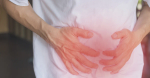
- Upper Body Pain: Discomfort or pain can radiate to the arms (especially the left arm), back, neck, jaw, or stomach. This pain might feel like an intense pressure or a dull ache.
- Shortness of Breath: This may occur with or without chest discomfort. It can happen while resting or during physical activity.
- Cold Sweat: Sudden, unexplained sweating can be a sign of a heart attack.
- Nausea or Vomiting: Some people, particularly women, may feel nauseous or even vomit during a heart attack.
- Lightheadedness or Dizziness: Feeling faint or dizzy is another possible symptom.
Some people, especially women, older adults, and those with diabetes, may experience less obvious symptoms like fatigue, weakness, or shortness of breath without chest pain.
Causes and Risk Factors
The primary cause of a heart attack is coronary artery disease (CAD). CAD occurs when the coronary arteries become narrowed or blocked due to plaque build-up, forming a blood clot that obstructs blood flow to the heart muscle.
Several risk factors contribute to the development of CAD:
- High Blood Pressure (Hypertension) can damage the arteries, making them more susceptible to plaque buildup.
- High Cholesterol Levels can lead to plaque formation in the arteries.
- Smoking damages the lining of the arteries, leading to plaque buildup. It also reduces the oxygen in the blood, forcing the heart to work harder.
- High blood sugar levels can damage blood vessels and the nerves that control the heart.
- Excess body weight, especially around the abdomen, increases the risk of heart disease and heart attacks.
- A sedentary lifestyle contributes to several heart attack risk factors, including obesity, high blood pressure, and high cholesterol levels.
- A family history of heart disease increases your risk, especially if a close relative had a heart attack at an early age (before 55 for men and 65 for women).
Prevention
To reduce your risk of having a heart attack:
- Maintain a Healthy Diet: A heart-healthy diet is low in saturated fats, trans fats, cholesterol, and sodium. Focus on eating fruits, vegetables, whole grains, lean proteins, and healthy fats (such as those found in nuts, seeds, and fish).
- Exercise Regularly: Aim for at least 150 minutes of moderate-intensity exercise, like brisk walking, or 75 minutes of vigorous activity, such as running, each week. Regular physical activity helps maintain a healthy weight, lowers blood pressure, reduces cholesterol levels, and improves overall heart health.
- Stop Smoking: Quitting smoking is one of the most significant steps you can take to improve your heart health.
- Manage Stress: Chronic stress may contribute to heart disease by raising blood pressure and cholesterol levels. Practice stress-relief techniques such as meditation, deep breathing exercises, or yoga.
- Control Blood Pressure and Cholesterol: If you have high blood pressure or high cholesterol, work with your healthcare provider to manage these conditions through medication, diet, and exercise.
- Maintain a Healthy Weight: Losing even a small amount of weight if you are overweight can significantly lower your risk of a heart attack.
- Limit Alcohol Intake: Excessive alcohol consumption can raise blood pressure. If you drink alcohol, do so in moderation—up to one drink per day for women and two drinks per day for men.
- Regular Health Screenings: Regular check-ups with your healthcare provider can help detect risk factors early.
What to Do if You Suspect a Heart Attack
If you or someone else is experiencing symptoms of a heart attack, it is critical to act quickly. Call emergency services immediately. While waiting for help, chew and swallow an aspirin (unless allergic) to help prevent further blood clotting. If the person is unconscious, start CPR if you’re trained to do so.
This article is for educational and informational purposes only and is not intended to substitute for professional medical advice, diagnosis, or treatment. Always seek the advice of your physician or other qualified health provider with any questions you may have regarding a medical condition.
Manage Heart Attack with MediWatcher
Set dosage reminders, log daily symptoms, track vitals, and share health reports with your doctor.
Download Free AppIn This Article
Manage Heart Attack with MediWatcher
Set dosage reminders, log daily symptoms, track vitals, and share health reports with your doctor.
Download Free AppHealth & Wellness Guides


Take control of your health today with MediWatcher.
Download now and experience the ease of managing your health.



We use cookies to improve your experience
We use cookies to personalise content and ads, to provide social media features and to analyse our traffic. We also share information about your use of our site with our advertising and analytics tools.