Hair Loss
Hair loss can be a distressing experience whether it’s caused by genetics, stress, hormonal changes, or other factors. While it’s normal to lose 50 to 100 hairs a day, excessive hair loss can lead to thinning hair and even baldness. Fortunately, there are several strategies and treatments available to help manage hair loss and promote healthier hair growth.
Causes
Hair loss can occur for a variety of reasons:
- Genetics (Androgenetic Alopecia): The most common cause of hair loss is genetic. Androgenetic alopecia, also known as male or female pattern baldness, is inherited and typically progresses with age.
- Hormonal Changes: Hormonal imbalances, particularly involving androgens, can lead to hair loss. This is often seen in conditions such as PCOS and during menopause.
- Stress: Stress can push hair follicles into a resting phase, leading to hair shedding known as telogen effluvium.
- Nutritional Deficiencies: A diet lacking essential nutrients like iron, vitamin D, and protein can weaken hair and contribute to hair loss.
- Medical Conditions: Certain medical conditions, including thyroid disorders, autoimmune diseases, and scalp infections, can cause hair loss.
- Medications: Some medications, such as those for cancer, high blood pressure, and depression, can have side effects that include hair loss.
- Hair Care Practices: Over-styling, using harsh chemicals, and frequent heat treatments can damage hair and lead to breakage and hair loss.
Strategies for Management
There are several strategies that can help manage it and promote healthier hair growth:
Adopt a Nutrient-Rich Diet
- Your hair needs a variety of nutrients to grow and stay strong:
- Hair is primarily made of protein, so ensure it is included your diet includes.
- Incorporate iron-rich foods like spinach, lentils, and red meat into your diet.
- Vitamins A, C, D, and E are essential for hair health. Fruits, vegetables, nuts, and seeds are excellent sources.
- Zinc plays a role in hair tissue growth and repair, while biotin (a B vitamin) strengthens hair. Include foods like nuts, seeds, and whole grains.
Practice Gentle Hair Care
- Washing your hair too frequently can strip it of natural oils, leading to dryness and breakage. Aim to wash your hair 2-3 times a week.
- Choose sulfate-free shampoos and conditioners that are gentle on your scalp and hair.
- Excessive use of heat styling tools like flat irons and curling wands can weaken hair. When using them, apply a heat protectant and keep the temperature low.
- Use a wide-tooth comb or a brush with soft bristles to avoid pulling and breaking hair. Start detangling from the ends and work your way up.
Manage Stress
- Physical activity can help reduce stress hormones and improve overall well-being.
- Techniques like meditation, deep breathing, and yoga can help calm the mind and reduce stress.
- Aim for 7-9 hours of sleep per night to allow your body to recover and repair.
Explore Hair Loss Treatments
- Consult with a healthcare provider to determine the best option for you:
- Minoxidil: An over-the-counter topical treatment that stimulates hair growth and slows down hair loss. It’s suitable for both men and women.
- Finasteride: A prescription oral medication for men that reduces hair loss by lowering levels of the hormone dihydrotestosterone (DHT).
- Low-Level Laser Therapy: A non-invasive treatment that uses red light to stimulate hair follicles and encourage growth.
- Platelet-Rich Plasma Therapy: Involves injecting your own plasma into the scalp to stimulate hair growth.
- Hair Transplant Surgery: A more permanent solution where hair follicles are transplanted from one part of the scalp to another.
Consider Natural Remedies
Some natural remedies may help promote hair health:
- Oils like rosemary, peppermint, and lavender have been shown to improve hair thickness and growth. Dilute with a carrier oil and massage into the scalp.
- Known for its soothing properties, aloe vera can reduce scalp inflammation and promote healthy hair growth.
- Rich in sulfur, onion juice is believed to promote collagen production and strengthen hair.
When to See a Doctor
If you’re experiencing significant hair loss, it’s important to consult a healthcare provider. They can help identify the underlying cause and recommend appropriate treatments. Conditions like thyroid disorders, autoimmune diseases, and severe nutritional deficiencies require medical intervention.
This article is for educational and informational purposes only and is not intended to substitute for professional medical advice, diagnosis, or treatment. Always seek the advice of your physician or other qualified health provider with any questions you may have regarding a medical condition.
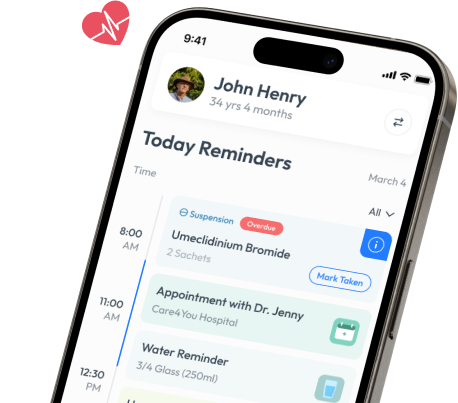
Manage Hair Loss with MediWatcher
Set dosage reminders, log daily symptoms, track vitals, and share health reports with your doctor.
Download Free AppIn This Article
Manage Hair Loss with MediWatcher
Set dosage reminders, log daily symptoms, track vitals, and share health reports with your doctor.
Download Free AppHealth & Wellness Guides



Take control of your health today with MediWatcher.
Download now and experience the ease of managing your health.



We use cookies to improve your experience
We use cookies to personalise content and ads, to provide social media features and to analyse our traffic. We also share information about your use of our site with our advertising and analytics tools.