Depression
Depression is more than just feeling down or having a bad day. It is a serious mental health condition that affects millions of people worldwide, impacting their daily lives, relationships, and overall well-being. As mental health awareness continues to grow, understanding depression is crucial for reducing stigma, promoting early intervention, and improving access to effective treatments.
What is Depression?
Depression, also known as major depressive disorder (MDD), is a mood disorder characterized by persistent feelings of sadness, hopelessness, and a lack of interest or pleasure in activities. It can interfere with a person’s ability to work, study, eat, sleep, and enjoy life. Depression is not simply a weakness or a character flaw, and it cannot be overcome by sheer willpower. It is a complex condition that requires understanding, support, and often professional treatment.
Symptoms
The symptoms of depression can vary from person to person but generally include a combination of emotional, physical, and cognitive changes. Common symptoms include:
- Feeling sad, empty, or tearful for most of the day, nearly every day.
- Losing interest or pleasure in activities that were once enjoyed, including hobbies, sports, or social interactions.
- Significant weight loss or gain due to changes in appetite.
- Experiencing insomnia or oversleeping.
- Feeling tired or without energy nearly every day.
- Experiencing feelings of worthlessness or excessive or inappropriate guilt.
- Having trouble thinking, concentrating, or making decisions.
- Experiencing frequent thoughts of death, suicidal thoughts, or attempts.
Causes
Depression is a multifaceted disorder with various contributing factors, including genetic, biological, environmental, and psychological elements.
- Genetic Predisposition: A family history of depression can increase the risk, suggesting a genetic link.
- Brain Chemistry: Imbalances in neurotransmitters such as serotonin, norepinephrine, and dopamine play a significant role in mood regulation.
- Hormonal Changes: Changes in the body's hormonal balance can trigger or exacerbate depression, especially in women during pregnancy, postpartum, or menopause.
- Life Events: Traumatic or stressful life events, such as the death of a loved one, divorce, or financial problems, can trigger depression.
- Medical Conditions: Chronic illnesses, such as heart disease, diabetes, or cancer, are often associated with higher rates of depression.
- Substance Abuse: Alcohol and drug abuse can both cause and result from depression, creating a vicious cycle.
The Importance of Mental Health Awareness
Raising awareness about depression is essential for several reasons:
- Reducing Stigma: Misunderstandings and misconceptions about depression contribute to stigma, which can prevent individuals from seeking help. By educating the public, we can reduce stigma and create a more supportive environment for those affected.
- Encouraging Early Intervention: Early detection and treatment of depression are crucial for recovery. Awareness campaigns can help individuals recognize the symptoms in themselves and others, leading to earlier intervention and better outcomes.
- Improving Access to Treatment: Awareness efforts can highlight the need for accessible and affordable mental health services, prompting policymakers to allocate resources and support mental health initiatives.
- Promoting Self-Care and Coping Strategies: Education about depression can empower individuals to engage in self-care practices and develop coping strategies to manage their symptoms and improve their quality of life.
Treatment Options for Depression
Depression is a treatable condition, and various effective treatment options are available.
- Psychotherapy: Also known as talk therapy, psychotherapy involves working with a mental health professional to address the underlying issues contributing to depression. Cognitive-behavioral therapy (CBT) and interpersonal therapy (IPT) are commonly used approaches.
- Medication: Antidepressant medications, such as selective serotonin reuptake inhibitors (SSRIs) and serotonin-norepinephrine reuptake inhibitors (SNRIs), can help regulate brain chemistry and alleviate symptoms.
- Lifestyle Changes: Regular exercise, a healthy diet, and adequate sleep can have a positive impact on mood and overall mental health.
- Mindfulness and Stress-Reduction Techniques: Practices such as meditation, yoga, and deep-breathing exercises can help reduce stress and improve emotional resilience.
- Support Groups: Joining a support group can provide individuals with a sense of community and understanding, offering a safe space to share experiences and coping strategies.
Depression is a widespread mental health issue that requires our collective attention and understanding. Whether through education, advocacy, or personal support, everyone can play a role in fostering a compassionate and informed approach to mental health. If you or someone you know is struggling with depression, reaching out for help is a vital first step towards healing and recovery. Remember, you are not alone, and support is available.
This article is for educational and informational purposes only and is not intended to substitute for professional medical advice, diagnosis, or treatment. Always seek the advice of your physician or other qualified health provider with any questions you may have regarding a medical condition.
Manage Depression with MediWatcher
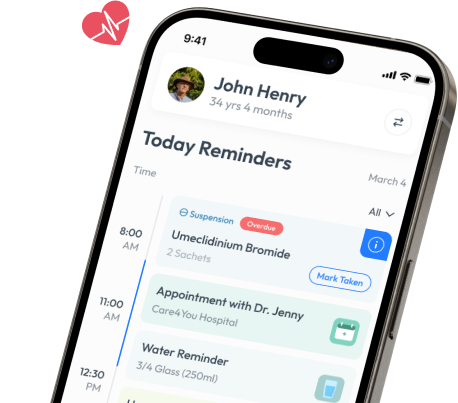
Set dosage reminders, log daily symptoms, track vitals, and share health reports with your doctor.
Download Free AppIn This Article
Manage Depression with MediWatcher
Set dosage reminders, log daily symptoms, track vitals, and share health reports with your doctor.
Download Free AppHealth & Wellness Guides



Take control of your health today with MediWatcher.
Download now and experience the ease of managing your health.



We use cookies to improve your experience
We use cookies to personalise content and ads, to provide social media features and to analyse our traffic. We also share information about your use of our site with our advertising and analytics tools.