Borderline Personality Disorder
Borderline Personality Disorder (BPD) is a type of personality disorder that impacts emotional regulation. People with BPD often experience intense mood swings, impulsive behaviours, and an unstable sense of identity. Relationships can feel turbulent, as individuals with BPD may have a deep fear of abandonment but also struggle with feelings of mistrust or anger.
Symptoms
The symptoms of BPD often include:
● Intense Fear of Abandonment: People with BPD may go to great lengths to avoid real or imagined abandonment. This fear can manifest in clinginess, panic, or frantic attempts to keep someone from leaving.
● Unstable Relationships: Relationships often fluctuate between idealization (seeing someone as perfect) and devaluation (seeing them as completely flawed or bad). This can cause frequent conflicts or misunderstandings.
● Impulsive Behaviour: Individuals with BPD might engage in risky activities like reckless driving, binge eating, substance abuse, or overspending without considering the consequences.
● Rapid Mood Swings: BPD often involves extreme emotional highs and lows that can shift within hours or even minutes. While these moods are intense, they may not last ulong.
● Chronic Feelings of Emptiness: Many people with BPD report feeling a persistent sense of emptiness or boredom that they struggle to fill.
● Explosive Anger: Outbursts of anger, frustration, or irritability are common, and these reactions can feel disproportionate to the situation.
● Identity Issues: Individuals with BPD may have difficulty understanding who they are. Their self-image, values, and goals can shift rapidly, leading to confusion and insecurity.
● Self-Harm or Suicidal Behaviour: Self-injurious behaviour, such as cutting or burning, is common in people with BPD. Suicidal thoughts or actions can also occur, often as a response to intense emotional pain.
Causes
BPD is believed to develop from a combination of biological, environmental, and social factors:
● A family history of BPD or other mental health conditions may increase the risk of developing the disorder. Certain genes could play a role in emotional regulation and impulsivity.
● Studies suggest that people with BPD may have differences in brain areas that control emotions, decision-making, and impulse control. These differences can make it harder to regulate emotional responses.
● Many people with BPD report experiencing neglect, abuse, or other traumatic events during childhood. Inconsistent or invalidating environments can impact emotional development and lead to difficulties in adulthood.
● People with naturally sensitive or impulsive temperaments may be more prone to developing BPD when combined with challenging life experiences.
Diagnosis
A mental health professional can diagnose the condition based on symptoms and medical history.
Diagnosis often involves:
● A thorough interview about emotional experiences, relationships, and behaviours.
● An assessment to rule out other mental health conditions like bipolar disorder, depression, or post-traumatic stress disorder (PTSD), which can have overlapping symptoms.
Treatment
Although living with BPD can be difficult, treatment can make a significant difference. The most effective approach often combines therapy, medication, and lifestyle changes.
1. Psychotherapy (Talk Therapy):
o Dialectical Behaviour Therapy (DBT): DBT is one of the most effective treatments for BPD. It focuses on building skills in emotional regulation, mindfulness, interpersonal effectiveness, and distress tolerance.
o Cognitive Behavioural Therapy (CBT): CBT helps individuals recognize and challenge unhelpful thought patterns and behaviours.
o Schema-Focused Therapy: This therapy explores deep-seated beliefs and emotional patterns, helping individuals change negative thoughts and behaviours.
2. Medication: While there is no medication specifically for BPD, certain medications can help manage symptoms like anxiety, depression, or mood swings. Antidepressants, mood stabilizers, and antipsychotics are sometimes prescribed based on individual needs.
3. Lifestyle Changes and Self-Care:
o Practicing mindfulness and relaxation techniques to manage stress.
o Developing a regular sleep routine, as poor sleep can exacerbate emotional instability.
o Engaging in physical activities, which can help improve mood and reduce impulsive behaviours.
o Building a strong support network, whether through friends, family, or support groups.
Living with BPD
Living with BPD can feel overwhelming at times, but recovery is possible with consistent treatment and support.
● Identifying situations or emotions that trigger intense reactions can help you prepare and respond more effectively.
● Replace impulsive behaviours with healthier alternatives like journaling, exercise, or creative activities.
● Therapy, support groups, and understanding loved ones can offer validation and encouragement.
● Progress takes time, and it’s important to celebrate small victories along the way.
Supporting Someone with BPD
If you have a loved one with BPD, understanding the condition can make a big difference. Offer empathy, patience, and open communication. Avoid judgment and learn how to set healthy boundaries while encouraging them to seek professional help.
This article is for educational and informational purposes only and is not intended to substitute for professional medical advice, diagnosis, or treatment. Always seek the advice of your physician or other qualified health provider with any questions you may have regarding a medical condition.
Manage Borderline Personality Disorder with MediWatcher
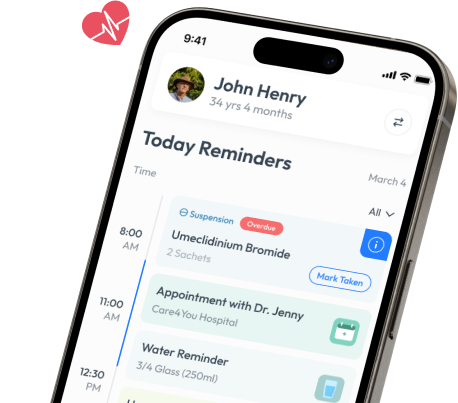
Set dosage reminders, log daily symptoms, track vitals, and share health reports with your doctor.
Download Free AppIn This Article
Manage Borderline Personality Disorder with MediWatcher
Set dosage reminders, log daily symptoms, track vitals, and share health reports with your doctor.
Download Free AppHealth & Wellness Guides



Take control of your health today with MediWatcher.
Download now and experience the ease of managing your health.



We use cookies to improve your experience
We use cookies to personalise content and ads, to provide social media features and to analyse our traffic. We also share information about your use of our site with our advertising and analytics tools.