Anxiety
Anxiety is a common mental health condition that affects millions of people worldwide. It manifests as excessive worry, fear, or apprehension about future events or everyday situations. While occasional anxiety is a normal part of life, chronic or severe anxiety can interfere with daily activities and reduce the quality of life.
What is Anxiety?
Anxiety is a feeling of unease, such as worry or fear that can be mild or severe. It often includes physical symptoms like a racing heart, sweating, trembling, and dizziness. Anxiety disorders, however, are more than temporary worry or fear. They are persistent and can worsen over time, significantly impacting one’s ability to function in daily life.
Types of Anxiety Disorders
There are several types of anxiety disorders, including:
- Generalised Anxiety Disorder (GAD): Characterised by excessive, uncontrollable worry about various aspects of life.
- Panic Disorder: Involves sudden, repeated panic attacks – intense periods of fear accompanied by physical symptoms like chest pain, heart palpitations, or shortness of breath.
- Social Anxiety Disorder: Intense fear of social situations and being judged or embarrassed in front of others.
- Specific Phobias: Extreme fear of specific objects or situations, such as heights or spiders.
- Obsessive-Compulsive Disorder (OCD): Involves unwanted, recurring thoughts (obsessions) and repetitive behaviours (compulsions).
- Post-Traumatic Stress Disorder (PTSD): Anxiety triggered by experiencing or witnessing a traumatic event with symptoms like flashbacks, nightmares, and severe anxiety.
Causes of Anxiety
The exact cause of anxiety disorders is not fully understood, but several factors are believed to contribute:
- Genetics: Family history of anxiety disorders can increase the likelihood of developing one.
- Brain Chemistry: Imbalances in neurotransmitters, such as serotonin and dopamine, can affect mood regulation.
- Environmental Factors: Stressful life events, such as the loss of a loved one, divorce, or job loss, can trigger anxiety.
- Medical Conditions: Certain health issues, including heart disease, diabetes, and thyroid problems, can cause anxiety symptoms.
- Substance Use: Alcohol, caffeine, and drugs can exacerbate anxiety symptoms.
- Personality Factors: Individuals with certain personality traits, such as high levels of neuroticism, are more prone to anxiety.
Symptoms of Anxiety
Anxiety symptoms can vary depending on the type of disorder but commonly include:
- Excessive worry or fear
- Restlessness or feeling on edge
- Fatigue
- Difficulty concentrating
- Irritability
- Muscle tension
- Sleep disturbances
- Panic attacks (for panic disorder)
- Avoidance of feared situations (for phobias)
Diagnosis
Diagnosing anxiety typically involves a combination of:
- Medical History: A thorough review of medical and family history.
- Physical Examination: To rule out any underlying medical conditions.
- Psychological Evaluation: Including standardised questionnaires and interviews to assess the severity and type of anxiety.
Treatment Options for Anxiety
Effective treatments are available for anxiety disorders, often involving a combination of therapy, medication, and lifestyle changes.
Therapy:
- Cognitive Behavioural Therapy (CBT): Helps individuals identify and change negative thought patterns and behaviours.
- Exposure Therapy: Gradual exposure to feared situations or objects to reduce sensitivity.
- Mindfulness-Based Therapy: Incorporates mindfulness techniques to manage anxiety symptoms.
Medications that can be prescribed by professionals to treat anxiety include:
- Selective Serotonin Reuptake Inhibitors (SSRIs): Commonly prescribed antidepressants that can help reduce anxiety.
- Benzodiazepines: Fast-acting sedatives used for short-term relief of severe anxiety symptoms.
- Beta-Blockers: Used to manage physical symptoms of anxiety, such as rapid heartbeat.
- Tricyclic Antidepressants: Another class of medications sometimes used to treat anxiety.
Preventing Anxiety
While it may not be possible to prevent anxiety entirely, certain strategies can help reduce the risk or manage symptoms effectively:
- Regular Exercise: Physical activity can reduce anxiety by releasing endorphins and improving mood.
- Healthy Diet: Eating a balanced diet can influence brain chemistry and overall mental health.
- Adequate Sleep: Ensuring sufficient and quality sleep can significantly impact anxiety levels.
- Stress Management Techniques: Practices like yoga, meditation, and deep breathing exercises can help manage stress.
- Limit Caffeine and Alcohol: Reducing intake of substances that can trigger or worsen anxiety.
- Social Support: Building a strong network of supportive friends and family.
- Professional Help: Seeking early intervention if anxiety symptoms begin to interfere with daily life.
Anxiety is a manageable condition with the right approach. Adopting preventive measures can play a crucial role in reducing the impact of anxiety on one’s life. If you or someone you know is struggling with anxiety, reaching out to a healthcare professional is a vital step toward recovery and improved well-being.
This article is for educational and informational purposes only and is not intended to substitute for professional medical advice, diagnosis, or treatment. Always seek the advice of your physician or other qualified health provider with any questions you may have regarding a medical condition.
Manage Anxiety with MediWatcher
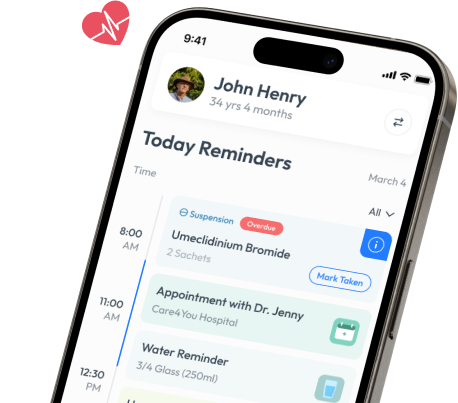
Set dosage reminders, log daily symptoms, track vitals, and share health reports with your doctor.
Download Free AppIn This Article
Manage Anxiety with MediWatcher
Set dosage reminders, log daily symptoms, track vitals, and share health reports with your doctor.
Download Free AppHealth & Wellness Guides



Take control of your health today with MediWatcher.
Download now and experience the ease of managing your health.



We use cookies to improve your experience
We use cookies to personalise content and ads, to provide social media features and to analyse our traffic. We also share information about your use of our site with our advertising and analytics tools.