Medication Adherence: Why Patients Miss Doses and How to Fix It
Your mother says she forgot her BP tablet again. Your father admits he stopped his diabetes medicine. Says he "feels fine." You nod. You understand. But deep down, you worry.
This is medication adherence. And in India, it's a silent crisis. Millions of families face this every single day.
What Exactly Is Medication Adherence?
Simple definition: taking medicine exactly as prescribed. Right dose. Right time. Right way. For the full duration.
Sounds easy, right? It's not.
The World Health Organization defines it as “the extent to which a person’s behaviour – taking medication, following a diet, and/or executing lifestyle changes, corresponds with agreed recommendations from a healthcare provider.”
Notice that word? "Agreed." This matters. It's not about blindly following orders. It's about patients and doctors working together. As partners.
Medication Adherence vs Medication Compliance: Same Thing?
People use these terms like they're identical. They're not. There's a difference. A subtle one, but it matters.
Medication compliance is passive. Patient follows doctor's instructions. No questions. No discussion. "Doctor said take this, so I take this."
Medication adherence is active. Different energy. Patients understand why they're taking medicine. They agree with the treatment plan. They take responsibility for their own health.
In practice? Doctors and nurses use both terms interchangeably. But adherence is the preferred word now. It respects patient choice. It treats patients as partners in their own care.
The Numbers Are Worrying
Let's talk facts.
Globally, the World Health Organization estimates that only about 50% of patients with chronic diseases in developed countries take their medicine as prescribed. Rates are often lower in developing countries. Half. That’s it.
In India? Similar story. Studies in India show adherence rates vary wildly. From 19% to 96%. Depends on the condition. Depends on how researchers measure it.
For diabetes patients in India, the numbers are concerning. Nearly 90 million adults (approximately 89.8 million aged 20–79 years) live with diabetes, making India the second-largest diabetes burden globally after China. Many struggle with medication adherence daily. One analysis of WHO-SAGE2 data found an average medication adherence rate of only 51% among older adults with one or more non-communicable diseases in India.
The consequences? Real and serious. Poor adherence leads to worse health outcomes. More hospital visits. Higher healthcare costs. Medication non-adherence is linked to a substantial share of hospital admissions. Systematic reviews report median rates of around 4–11%, and older estimates often cite about 10% of admissions in older adults or medication-related admissions. In the US alone, it costs $100-300 billion annually in avoidable healthcare expenses.
That's not just numbers. That's real families. Real suffering. Real money wasted.
Why Do Patients Actually Miss Their Medicine?
Understanding why patients miss doses is step one. You can't fix what you don't understand.
The reasons fall into two main buckets.
Unintentional Non-Adherence (They Don't Mean To)
This happens when patients want to take their medicine. But they forget. Or face barriers. Common reasons:
Forgetfulness: Tops the list. Across all age groups
Complex regimens: Too many medicines. Different timings. Confusing schedules
Cost issues: Medicines are expensive. Families choose between food and tablets
Access problems: Pharmacy too far. No transport. Medicine not available
Poor understanding: Not clear on how or when to take medicine
Physical limitations: Can't open bottles. Can't read small print. Vision or memory problems
Intentional Non-Adherence (They Choose To)
This is deliberate. Patients skip or stop medicine on purpose. Common reasons:
Feeling better: "Why take medicine if I'm fine?"
Side effects: Nausea, dizziness, fatigue make patients stop
Fear of dependency: "Will I become addicted?"
Not convinced it's needed: Especially for silent conditions like high BP
Cultural beliefs: Preference for home remedies or Ayurveda
Impact on daily life: Medicine timing doesn't fit work or family schedule
See the difference? One is accidental. One is a choice. Both need different solutions.
The Real Cost of Poor Medication Adherence
Missing doses isn't just about one day. It's about what happens over weeks. Months. Years.
Health Consequences
Disease gets worse. Slowly.
Complications develop. Kidney damage. Heart problems. Vision loss.
More hospital admissions
Higher risk of death in severe cases
Reduced quality of life
Economic Consequences
Wasted medicines. Money spent but not used properly
More doctor visits
Emergency room trips
Longer hospital stays
Lost work days for patients and caregivers
Studies show that achieving optimal adherence can produce meaningful cost savings for healthcare systems and families. One multinational economic evaluation found lifetime savings in the range of several hundred dollars per patient, depending on the country and condition.
How to Improve Medication Adherence: What Actually Works
Fixing medication adherence isn't about one magic solution. Doesn't exist. It's about multiple small changes. Changes that add up over time.
For Patients
Understand your medicine: Ask your doctor. What does this do? Why do I need it? What happens if I skip? Understanding creates motivation. Real motivation.
Link to daily habits: Take medicine with breakfast. Or after brushing teeth. Or with evening tea. Attach it to something you already do daily. Something you won't forget.
Use reminders: Phone alarms. Pillboxes. Wall charts. Whatever works for you. No judgment. Just results.
Keep it visible: Medicine on the dining table works better than hidden in a bedroom drawer. Out of sight, out of mind. It's true.
Track your doses: Mark a calendar. Use an app. See your progress. Visual feedback helps. You see what you've accomplished.
For Families
Create a medicine routine: Sunday evening = fill pillbox for the week. Make it a family ritual. Takes 5 minutes. Prevents 7 days of confusion.
Share responsibility: Rotate who checks if medicine was taken. Don't burden one person. Spread it around.
Use technology: WhatsApp groups. Family calls. Reminder apps that alert multiple people. Technology isn't the enemy.
Attend doctor visits together: Take notes. Ask questions. Understand the full picture. Two ears hear more than one.
Be supportive, not critical: Nagging creates resistance. Gentle reminders work better. Much better.
For Healthcare Providers
Simplify regimens: Fewer medicines. Once-daily dosing when possible. Make it easy for patients.
Explain clearly: Use simple language. Check understanding. "Can you tell me how you'll take this?"
Discuss side effects upfront: Patients who know what to expect are less likely to stop suddenly. No surprises.
Involve family members: Especially for elderly patients. They're often the ones managing medicine at home.
Follow up: Call or message to check if medicine is being taken. Small check-ins make a difference. Big difference.
Technology Can Help (Really)
Digital tools are making medication adherence easier. Not perfect. But better.
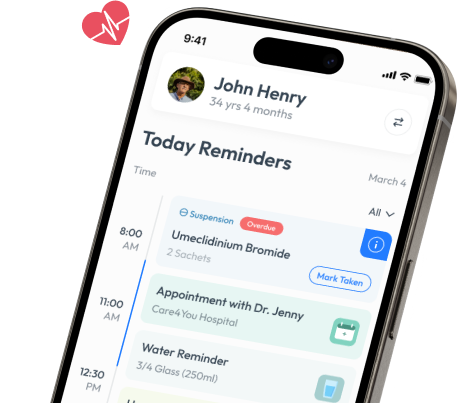
Apps send reminders. Track doses. Alert family members. Some even predict when you're likely to miss a dose. Based on your patterns.
MediWatcher offers free medication reminders and dose tracking. Designed for Indian families. Features like family caregiver alerts help when children live in different cities but want to ensure parents take their medicine.
The key? Choose tools that fit your family's comfort level. Simple phone alarms work. Apps work better for tech-savvy families. Wall charts work best for those who prefer non-digital solutions.
No one-size-fits-all. Pick what works for you.
Special Considerations for Indian Families
Joint vs Nuclear Families: Joint families have natural support systems. Someone always notices. Nuclear families? Need to create intentional check-in routines. More effort. But doable.
Language Barriers: Many elderly patients don't understand English medical terms. Ask doctors to explain in Hindi or a regional language. Your right.
Cost Sensitivity: Generic medicines cost less. Work the same. Ask your doctor. Many pharmaceutical companies offer patient assistance programs. Don't suffer in silence.
Cultural Context: Link medicine to daily prayers or meals. Creates meaning beyond just "taking tablets." Spiritual connection helps.
Festival and Travel Disruptions: Plan ahead. Keep extra doses. Set multiple reminders during busy periods. Diwali, weddings, travel. Life happens. Be ready.
When Medication Adherence Becomes Critical
Some medicines absolutely cannot be missed without serious risk.
These include:
Blood thinners (warfarin, antiplatelet medicines for heart patients)
Epilepsy medications
Diabetes insulin
Heart rhythm medications
Organ transplant rejection preventives
HIV/AIDS medications
Tuberculosis treatment
If you or a family member takes these medicines? Extra care needed. Set multiple reminders. Keep emergency contact numbers. Know what to do if a dose is missed.
Not all medicines are equal. Some have zero margin for error.
FAQs
What is a good medication adherence rate?
Many healthcare providers and researchers use 80% or higher as a common threshold for good adherence. This means taking at least 80% of prescribed doses. Below this level, treatment effectiveness often declines, though the exact threshold can vary by condition and medicine.
How do I know if I'm adherent to my medication?
Track your doses for 2-4 weeks. If you're taking 8 out of 10 prescribed doses (80%), you're doing well. Below that, talk to your doctor about barriers you're facing.
Is medication compliance the same as adherence?
Not exactly. Compliance is following a doctor's orders passively. Adherence is actively choosing to follow a treatment plan you agree with. Healthcare providers now prefer "adherence" because it respects patient choice.
The Path Forward
Medication adherence isn't just a patient problem. It's bigger than that.
It's a family problem. A healthcare system problem. A society problem.
Small changes help. A weekly pillbox. A daily phone call. A simple reminder app. These aren't glamorous solutions. But they work.
The goal isn't perfection. Some missed doses will happen. Life gets busy. People forget. That's normal. The goal is building systems that catch most doses. Most of the time.
For Indian families, this means working together. Children checking on parents. Spouses reminding each other. Doctors explaining clearly. Pharmacists following up.
Medication adherence isn't about blame. It's about support. Understanding why doses get missed. Fixing the real reasons.
Start with one change today. Not tomorrow. Today. Your family's health depends on it.
References:
World Health Organization. Adherence to long-term therapies: Evidence for action. 2003. https://iris.who.int/bitstream/handle/10665/42682/9241545992.pdf(Also summarised in: https://www.who.int/news/item/01-07-2003-failure-to-take-prescribed-medicine-for-chronic-diseases-is-a-massive-world-wide-problem)
Tolley A et al. Factors influencing adherence to non-communicable disease medication in India: secondary analysis of cross-sectional data from WHO-SAGE2. Front Pharmacol. 2023;14:1183818.
International Diabetes Federation. IDF Diabetes Atlas, 11th edition, 2025. https://diabetesatlas.org
Specialist Pharmacy Service (NHS). Defining and understanding medication adherence. https://sps.nhs.uk/articles/defining-and-understanding-medication-adherence/
Cutler RL et al. Economic impact of medication non-adherence by disease groups: a systematic review. BMJ Open. 2018.
This information is for educational purposes only and does not replace professional medical advice, diagnosis, or treatment. Always consult a qualified healthcare professional regarding any medical concerns.
Track Your Health with MediWatcher
Set dosage reminders, monitor vitals, log symptoms, and keep your family informed.
Download Free AppIn This Article
Track Your Health with MediWatcher
Set dosage reminders, monitor vitals, log symptoms, and keep your family informed.
Download Free AppTake control of your health today with MediWatcher.
Download now and experience the ease of managing your health.



We use cookies to improve your experience
We use cookies to personalise content and ads, to provide social media features and to analyse our traffic. We also share information about your use of our site with our advertising and analytics tools.